

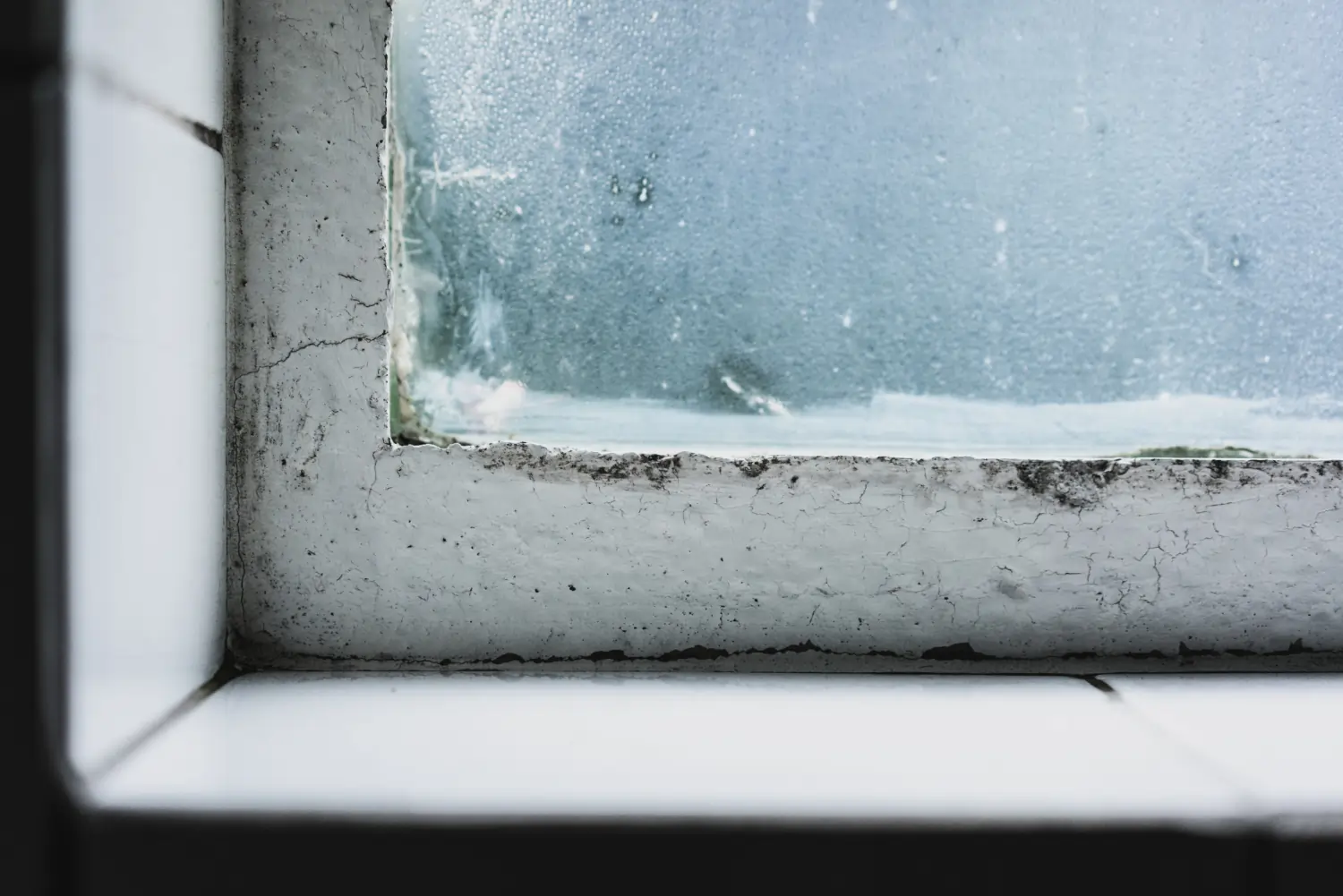
Dubai’s summer humidity levels can reach above 90% in coastal areas between June and September. Most residents focus on staying cool indoors, but the moisture saturating the air is doing something more damaging: it is quietly attacking your home’s structure, electrical systems, furniture, and air quality.
In this guide, you will learn exactly what summer humidity damages inside homes in Dubai, the warning signs to catch early, and the practical steps that prevent costly repairs down the line.
Read on to protect your property before the damage becomes visible.
Why High Humidity Is a Structural Threat in Dubai
Humidity refers to the concentration of water vapor in the air. In Dubai, near-coastal humidity averages between 60% and 90% during peak summer months. When indoor humidity exceeds 60%, materials inside your home begin to react.
These structural and material changes do not happen overnight, but three months of unchecked summer moisture will quickly result in visible, expensive damage throughout your property.
5 Ways Summer Humidity Damages Your Dubai Home
1. Wood Warping, Swelling, and Rot
Wooden floors, door frames, kitchen cabinet doors, and furniture absorb excess water vapor from the air. In a Dubai summer, this moisture absorption can cause wood to swell by 2% to 5% of its volume, leading to warped floorboards, doors that no longer close properly, and visible gaps in cabinetry joints.
In severe cases where humidity is trapped in a room for weeks, the wood deteriorates into soft rot. Replacing warped hardwood flooring in a Dubai apartment costs between AED 8,000 and AED 25,000 depending on the area and the materials used. Preventing swelling with proper AC regulation and ventilation costs a fraction of that.
2. Peeling Paint and Wallpaper Bubbling
Paint requires a dry surface to bond correctly. When indoor humidity stays above 65%, the moisture trapped between the wall surface and the paint film causes bubbling, blistering, and eventually peeling. This is most visible near bathroom walls, kitchen areas, and rooms with poor ventilation or blocked AC vents.
Wallpaper is even more sensitive. High humidity dissolves the adhesive layer over time, causing sections to lift and peel at the seams. If you notice bubbling walls in your Dubai home during summer, the primary cause is almost always humidity rather than paint quality.
3. Mold Growth in Hidden Spaces
Mold spores exist in all indoor environments. They become active when relative humidity exceeds 70% and temperatures are warm, exactly the conditions inside a home during summer in Dubai if the AC is underperforming. Mold spreads fastest in areas with poor airflow such as:
- inside AC ducts
- behind furniture pushed against external walls
- under bathroom vanities
- inside wardrobe spaces
Mold is a health hazard. It produces mycotoxins that trigger respiratory irritation, allergic reactions, and worsened asthma symptoms. It also produces a musty odor that spreads through an AC system into every room.
AC duct cleaning is one of the most effective ways to eliminate existing mold inside the ventilation system and prevent it from recirculating through your home. Read more about high humidity and your AC system to understand how a struggling unit accelerates mold growth.
4. Electrical System Corrosion
Moisture and electrical components are incompatible. High indoor humidity accelerates oxidation on copper wiring terminals, circuit breaker contacts, and the internal components of switches and outlets. The result is increased electrical resistance, intermittent failures, and in serious cases, short circuits.
Appliances are also affected. Air conditioning units, washing machines, and refrigerators have metal components that corrode faster in humid environments. This shortens their operational lifespan and increases energy consumption as internal resistance rises.
If your home’s circuit breaker trips more frequently during summer, or if outlets show discoloration around the faceplate, humidity-driven corrosion may already be present.
5. Structural and Plaster Damage
Building materials constantly expand and contract due to humidity, causing microscopic cracks over time. In Dubai’s summer, walls heat up to above 40°C outdoors while cooling rapidly indoors. When moisture seeps into these hairline cracks, whether through window seals, door frames, or plumbing leaks, it causes plaster to crack, flake, and separate from the substrate.
Moisture that enters through a poorly sealed window frame or a minor plumbing leak under a sink can track horizontally through the wall cavity, widening the damage area well beyond the entry point.
A plumbing inspection at the start of summer can identify and seal these entry points before the season begins.
How to Protect Your Home from Summer Humidity in Dubai
Keep Your AC System in Peak Condition
Your air conditioning system is the primary humidity control mechanism in any home. A properly functioning AC unit removes moisture from the air as part of the cooling process. When filters are clogged, coils are dirty, or drainage lines are blocked, the unit’s dehumidification capacity drops sharply.
Schedule an AC maintenance service before the summer season begins. A thorough service includes filter cleaning or replacement, coil cleaning, drainage line flush, and a system performance check. This directly improves your unit’s ability to manage indoor humidity alongside temperature.
For rooms that remain humid despite AC operation, also read about how to reduce humidity in your room with AC solutions.
Ventilate High-Risk Rooms
Bathrooms, kitchens, and laundry rooms generate significant moisture from daily use. Extractor fans in these rooms should be running whenever hot water is in use. Leaving bathroom doors closed after showering traps steam and drives humidity levels in that room above 80% for extended periods.
Keep wardrobe doors slightly open during summer to allow airflow behind clothing. If a room has an external wall that does not receive direct AC airflow, consider placing a portable dehumidifier in that space.
Inspect and Seal Entry Points
Walk around your home at the start of summer and check the following for gaps or damage:
- window frame seals
- door threshold strips
- the silicone sealing around bathroom fixtures
- the area around pipes entering through walls under sinks
A single failed window seal can allow humid external air to enter continuously during the hottest months. Sealing it takes under an hour and costs under AED 50. Repairing the plaster damage it causes over a summer costs significantly more.
Use a Hygrometer to Monitor Indoor Humidity
A hygrometer is a small, inexpensive device that measures indoor relative humidity in real time. Placing one in the living area and one in the bedroom gives you accurate information about whether your AC system is maintaining the 40% to 55% target range.
If readings consistently exceed 60% even with the AC running, the unit may have a refrigerant issue, a blocked drain line, or undersized capacity for the space. These are problems that an annual maintenance contract covers as part of scheduled inspection and repair.
FAQ
What is the normal humidity level inside a Dubai home in summer?
The recommended indoor relative humidity is between 40% and 55%. Dubai’s outdoor summer humidity regularly exceeds 80%, which is why a well-maintained, correctly sized AC system is essential for controlling indoor levels.
Does cleaning AC ducts reduce indoor humidity?
Yes. When ducts are clogged with dust and mold, it restricts airflow and forces your AC to work harder. Clearing these blockages restores optimal airflow, allowing your system to dehumidify the air efficiently.
When is the worst period for humidity in Dubai?
July and August are consistently the most humid months in Dubai, with coastal areas regularly recording humidity above 90% in the early morning hours. Indoor humidity spikes are most severe during these months if AC systems are not maintained.
Can high humidity cause electrical problems at home?
Yes. Moisture accelerates corrosion on wiring terminals, switch contacts, and circuit breakers. Persistent high indoor humidity increases the risk of short circuits, tripping breakers, and appliance failure over time.




 AC Maintenance & Repair
 AC Replacement / Installation
 AC Duct Cleaning
 AC Coil Cleaning
 Annual Maintenance Contracts
 Water Tank Cleaning
 Plumbing
 Electrical
 Handyman
 Home Renovation