

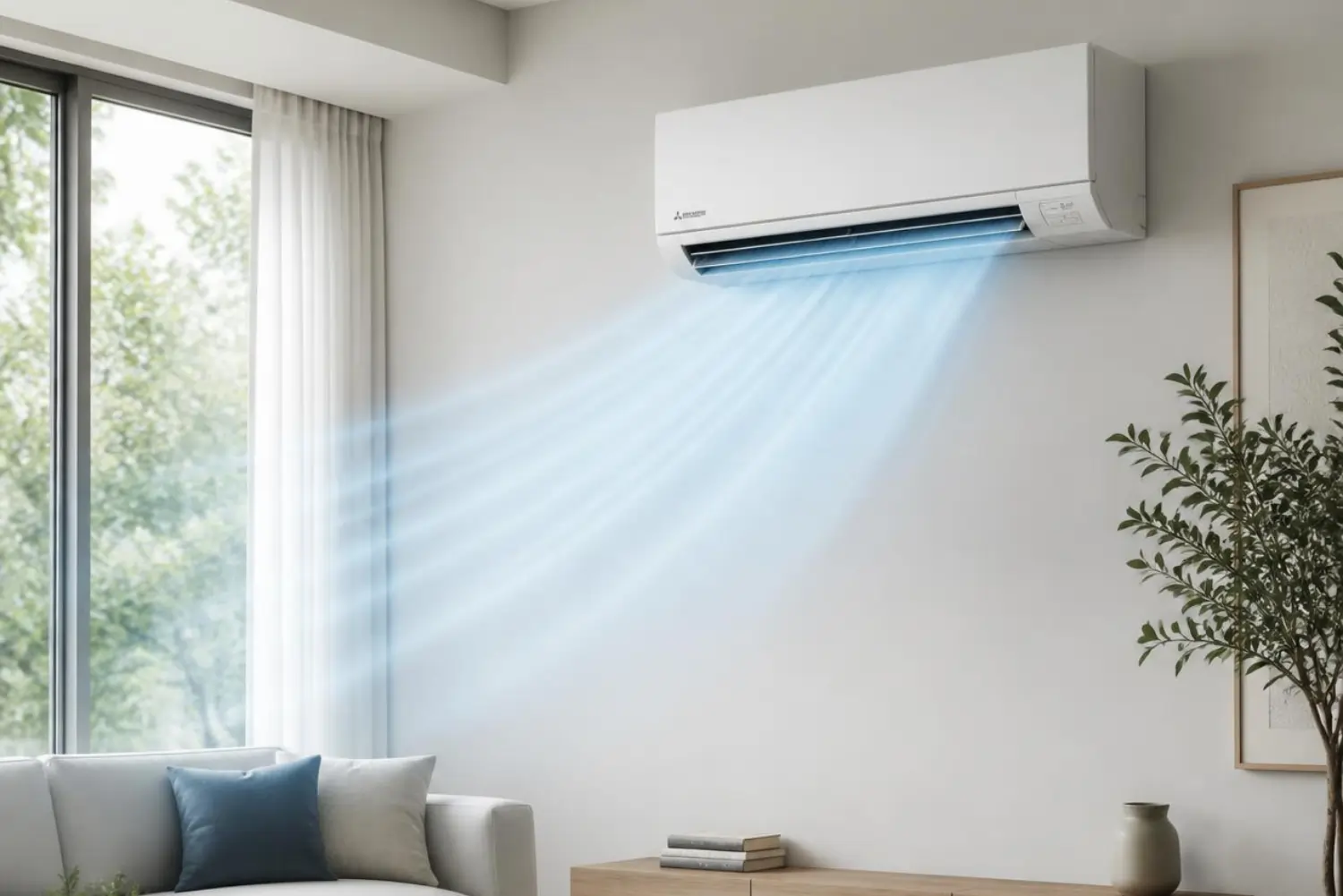
Dubai homes face air quality challenges that most global guides ignore. This article explains how to improve the air inside your home, from managing fine desert dust to keeping your cooling system clean and controlling humidity.
By the end, you will know:
- Which pollutants matter most in an apartment or villa
- Simple steps you can act on today
- When it is worth calling a professional for testing or a deep clean
Let’s get into it.
The Short Answer
The fastest way to improve indoor air quality is to control pollution at its source, keep your air conditioning clean, and manage moisture. In Dubai, your AC does the job that open windows do in cooler climates, so a well maintained cooling system is the single biggest lever you have. Clean filters, clear ducts, and balanced humidity remove most dust, allergens, and odours before they build up in your rooms.
Why Dubai Homes Need a Different Approach
Standard advice tells you to throw open a window. Here, that often backfires. For much of the year, outdoor heat, airborne desert dust, and seasonal shamal winds mean an open window brings pollutants in rather than letting them out. Properties across the emirate stay sealed and rely on cooling almost every day, which places your AC at the heart of the air you breathe. Ongoing construction in many neighbourhoods adds another layer of fine particles that drift indoors and settle on every surface.
Five Steps to Cleaner Air at Home
Keep Your Cooling System Clean
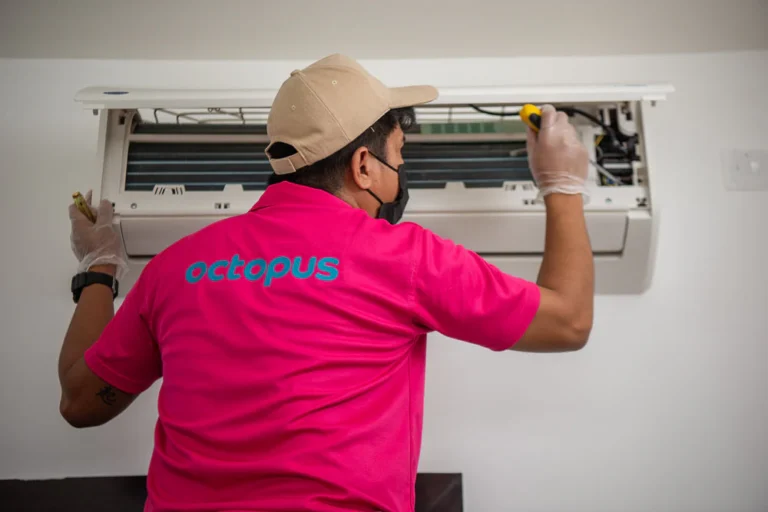
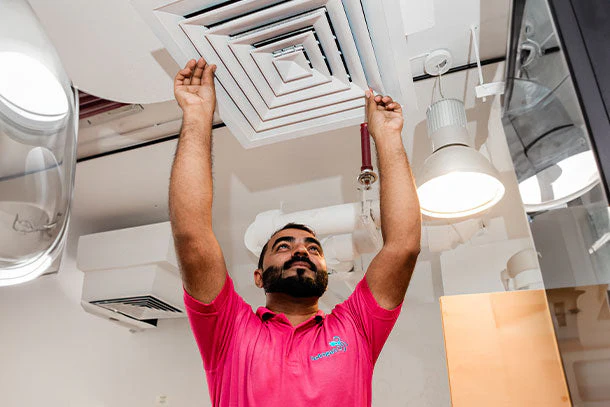
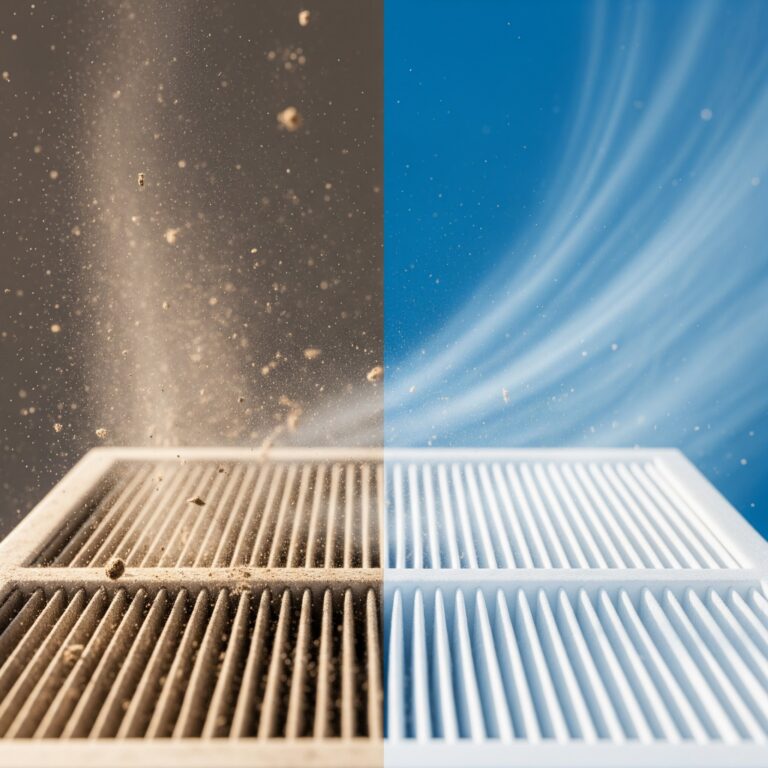
Because your AC runs constantly, it collects dust and can push it back into every room. Two areas deserve attention: the filters and coils that trap particles, and the ducts that carry cooled air around your home. Dirty coils weaken performance and let dirt recirculate, while clogged ducts spread dust and can shelter mold.
Wash or replace filters every 30 to 60 days during heavy use. Book professional AC coil cleaning and AC duct cleaning every 12 months so the air moving through your home stays fresh. Regular servicing keeps the whole system running the way it should.
Control Dust at the Source
Fine dust is the defining pollutant in most local homes, so reducing it makes the biggest difference. A few habits go a long way:
- Place a mat at every entrance and adopt a shoes-off rule to stop particles at the door.
- Vacuum twice a week with a HEPA-equipped cleaner rather than a broom, which stirs dust back into the air.
- Wipe surfaces with a damp cloth instead of a dry duster.
- Wash bedding weekly in hot water to keep dust mites down.
Manage Humidity and Mold
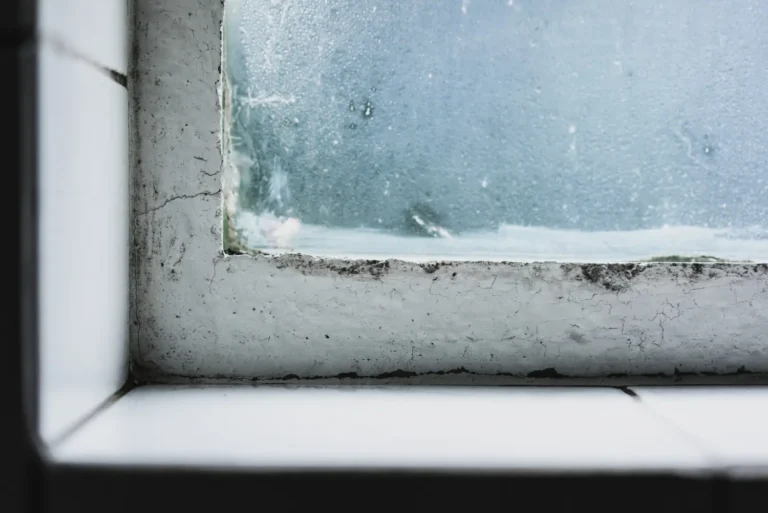
Coastal parts of the city carry high moisture that encourages mold behind cabinets, around window frames, and in bathrooms. Aim to hold indoor humidity between 40 and 60 percent using your AC or a dehumidifier. Repair leaks quickly and switch on exhaust fans while cooking or showering. If you notice a musty smell or dark patches, treat the source early before spores spread further.
Choose Low-VOC Materials
Paints, adhesives, and brand-new furniture release volatile organic compounds (VOCs) that linger in sealed rooms. During any refresh or home renovation, ask for water-based or low-VOC finishes and keep the space well ventilated while work is underway.
Add Filtration Where it Counts
A portable purifier with a genuine HEPA filter captures the tiny particles that cleaning alone misses. Place one in bedrooms and main living areas, match its capacity to the room size, and run it on days when outdoor conditions are dusty. Avoid ozone generators, which can irritate your lungs rather than help them.
Frequently Asked Questions
Do houseplants clean the air?
Not in any meaningful way. Studies show you would need hundreds of plants to change a normal room, so enjoy them for their calming effect and rely on filtration and source control for real results.
How often should I test my home’s air?
A professional assessment once a year suits most households, or sooner if anyone develops ongoing allergy or respiratory symptoms.
Is duct cleaning really worth it here?
Yes. Constant cooling and fine desert particles make ducts a frequent source of recirculated dust, so periodic attention pays off in this environment.
The Bottom Line
Cleaner air at home comes down to three things: stopping pollution at its source, running a well maintained cooling system, and keeping moisture in check. Start with the habits above, since most of them cost nothing and make a difference within days.



 AC Maintenance & Repair
 AC Replacement / Installation
 AC Duct Cleaning
 AC Coil Cleaning
 Annual Maintenance Contracts
 Water Tank Cleaning
 Plumbing
 Electrical
 Handyman
 Home Renovation