

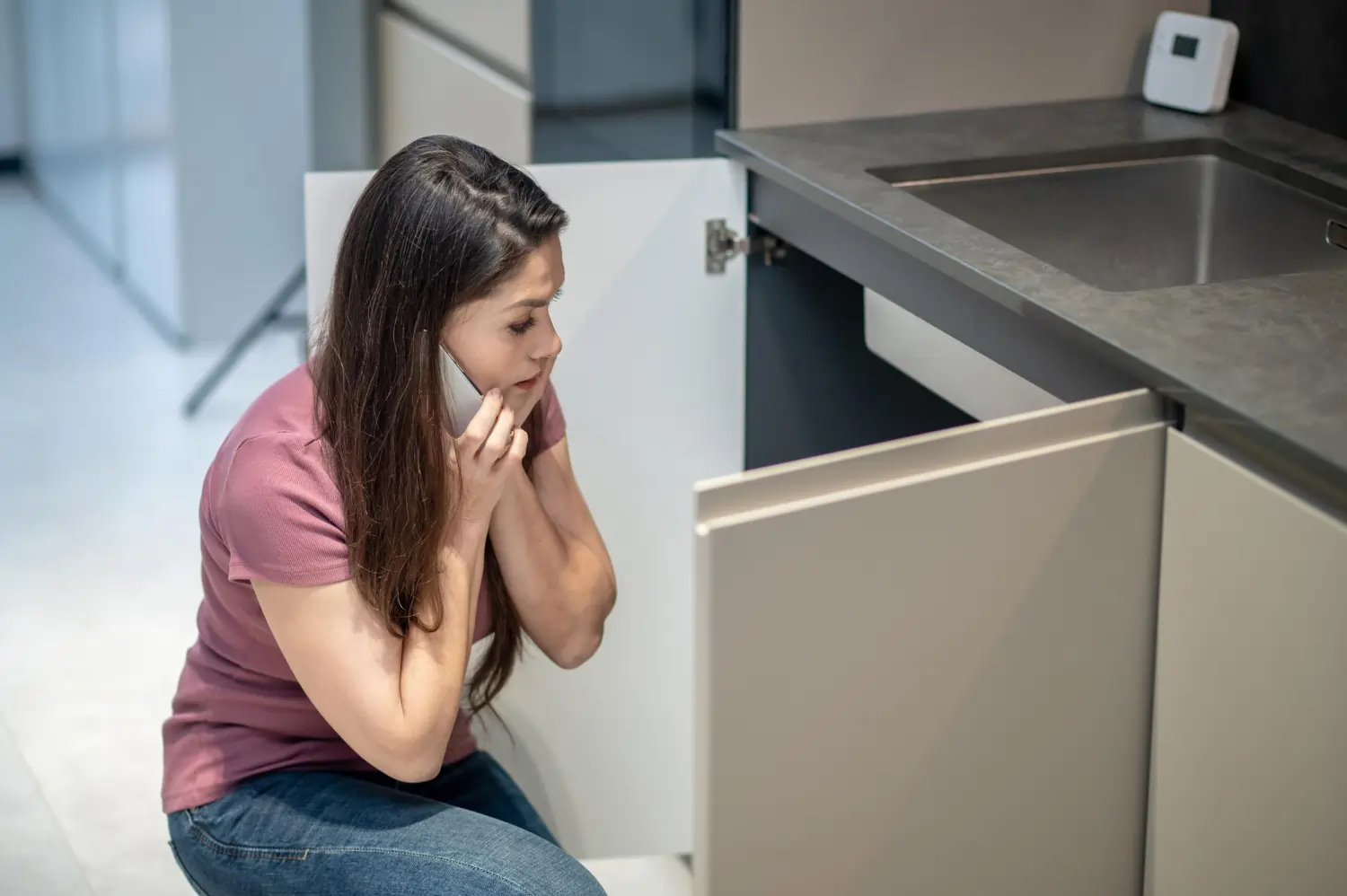
You land at DXB, drag your bags through the door, and the first instinct is to drop everything and sleep. Most people do. The problems that built up while they were away then surface weeks later, once the stain has spread and the repair is no longer small.
The ten minutes between opening your front door and opening your suitcase are the most valuable ten minutes of your travel year.
Here is what you get in this guide:
- A five-step sequence you can run before you unpack a single bag
- The five hidden failures that cost Dubai homeowners the most after a long trip
- Clear signals for what you can fix yourself and what needs a technician the same day
Set a timer for ten minutes. Start here.
The 10-minute check at a glance
- Start with the AC. Turn on every unit. Listen, smell, and feel the air.
- Hunt for damp. Under every sink, behind the washing machine, around the water heater.
- Check what lost power. Open the fridge and freezer, then look at the breaker panel.
- Walk the perimeter. Doors, windows, locks, balcony access.
- Read the meter, then run the water. Check DEWA usage, open every tap, flush every toilet.
Do it in that order. The AC comes first because it is the failure that is still spreading damage while you read this.
Now the detail on each one.
1. Your AC is the first thing you check, not the last
In Dubai, air conditioning is not a comfort system. It is a humidity control system, and when it fails during a summer absence, everything else in your home starts to fail with it.
Switch on every unit in the house. Then stand still and use three senses.
- Listen. A rattling, grinding, or knocking sound from the indoor unit usually means a loose blower wheel or debris in the ducting. A compressor that clicks but does not start is a capacitor or relay issue.
- Smell. A musty, sour, or wet-sock odour within the first minute means microbial growth on the coil or in the drain pan. That smell is your evidence that moisture sat in the system while you were gone.
- Feel. Hold your hand at the vent for sixty seconds. Weak airflow points to a filter choked with the dust that settles in every Dubai home. Air that flows well but never gets cold points to refrigerant loss or a fouled condenser.
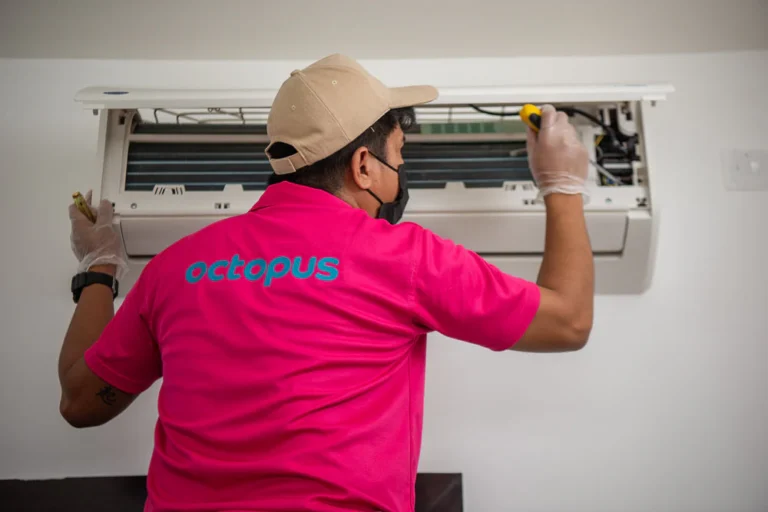
If any unit fails one of those three tests, book AC maintenance before the weekend rather than waiting to see if it improves. It will not improve.
Pay separate attention to the drain line. Look for water stains on the ceiling directly below a ducted unit, or a puddle under a split unit. A blocked condensate drain is the single most common post-travel AC failure in Dubai, and it damages gypsum and paint long before anyone notices the AC itself is struggling.
2. Hunt the slow leak while the floor is still dry
A fast leak announces itself. A slow leak does not, which is exactly why it is more expensive. Three weeks of a dripping angle valve behind a vanity produces swollen cabinet boards, blistered skirting, and a mould colony that has to be cut out rather than cleaned.
Check these five points in order:
- Under every sink. Run a dry tissue along the trap and the shut-off valves. Damp tissue means an active leak.
- Behind the washing machine. Inspect the inlet hose for bulges and the rubber seal for perished cracking.
- Around the water heater. Rust streaks on the cylinder base or a damp patch on the ceiling of the service cupboard both mean the tank is failing.
- At the base of every toilet. Press the tile grout with a thumb. Soft or discoloured grout means water has been escaping the wax seal.
- Along skirting boards in bathrooms and kitchens. Paint that bubbles or lifts is water travelling through the wall from a pipe you cannot see.
Anything damp needs a licensed plumber the same week. Damp that has already stained a ceiling needs one the same day.
3. Find the appliance that died quietly
Power fluctuations happen. So do compressor failures in an empty, unventilated apartment in July.
Open the fridge first. If the interior is warm and the contents have spoiled, the unit has been off for days and the smell will spread into soft furnishings within hours. Open the freezer next and look for refrozen ice at the bottom of the drawers, which is proof that the appliance thawed and restarted at some point while you were away.
Then check your distribution board. A tripped breaker tells you exactly which circuit failed and when. Repeated tripping on the AC circuit specifically is a warning sign and not a nuisance, and it needs an electrician to diagnose before you keep resetting it.
4. Read your meter, then run your water
Log into the DEWA app and look at consumption for the period you were away. Water usage that stayed high in an empty home is the clearest possible evidence of a leak you have not found yet. It is a diagnostic tool, not just a bill.
Then run every tap for thirty seconds and flush every toilet. Water that sat still in pipes and in your tank for weeks in Dubai heat is a genuine hygiene issue. Cloudy water or a sulphur smell means the standing water in your storage tank has gone stale, and that calls for water tank cleaning rather than another few flushes.
What to do if you found something
The check tells you what broke. It does not tell you why the same thing will not break again next summer.
If you travel for four weeks or more every year, the honest answer is that a reactive call-out after every trip costs more than scheduled cover. An annual maintenance contract means the AC is serviced before you fly rather than diagnosed after you land, and it covers the plumbing and electrical checks that catch these failures at the point where they are still cheap.
FAQs
Should I leave the AC running while I travel from Dubai?
Yes, in summer. Set it to 26 to 28 degrees rather than switching it off entirely. A sealed home in Dubai heat reaches humidity levels where mould grows on walls, ceilings and furniture within days.
Why does my home smell musty after a two-week trip?
The smell is almost always microbial growth in the AC drain pan or ducting. Air fresheners mask it for a few hours. Duct cleaning removes the source.
How soon should I call someone after finding a leak?
Within 24 to 72 hours. That is the window in which trapped moisture becomes a mold problem instead of a plumbing problem.




 AC Maintenance & Repair
 AC Replacement / Installation
 AC Duct Cleaning
 AC Coil Cleaning
 Annual Maintenance Contracts
 Water Tank Cleaning
 Plumbing
 Electrical
 Handyman
 Home Renovation