Living in Dubai without a working air conditioner isn’t just uncomfortable, it’s nearly impossible. With summer temperatures regularly hitting 45°C and humidity levels that make the air feel even hotter, your AC runs almost non-stop for months. Many residents think skipping regular maintenance saves money, but this approach actually costs far more in the long run.
A well-maintained AC system uses less electricity, breaks down less often, and lasts years longer than one that’s ignored. When maintenance gets pushed aside, small problems turn into expensive emergencies. This guide breaks down the real costs of skipping AC care and explains how preventive service protects your wallet.
The Hidden Costs of Skipping AC Preventive Maintenance in Dubai
Skyrocketing Electricity Bills
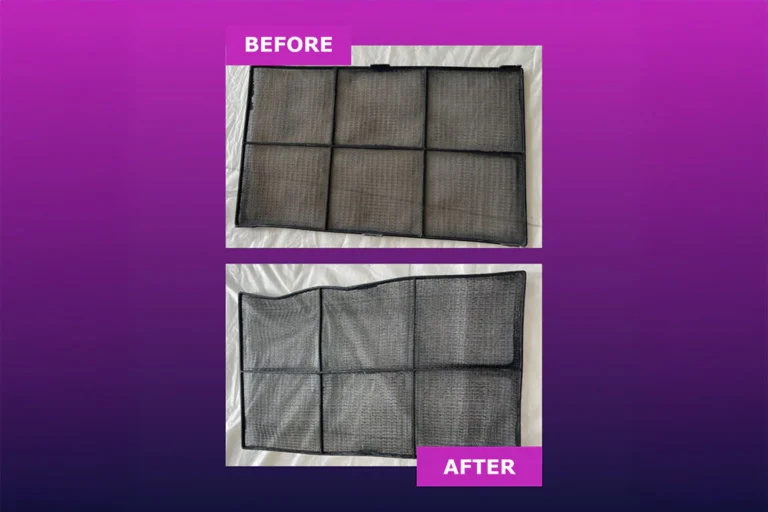
Dirty filters, clogged coils, and low refrigerant make your AC work much harder to cool your home. A neglected system can use 30-40% more electricity than a properly maintained one. In Dubai, where AC accounts for 60-70% of home electricity costs, this translates to hundreds of extra dirhams every month. Over a year, the wasted electricity often costs more than professional maintenance would have.
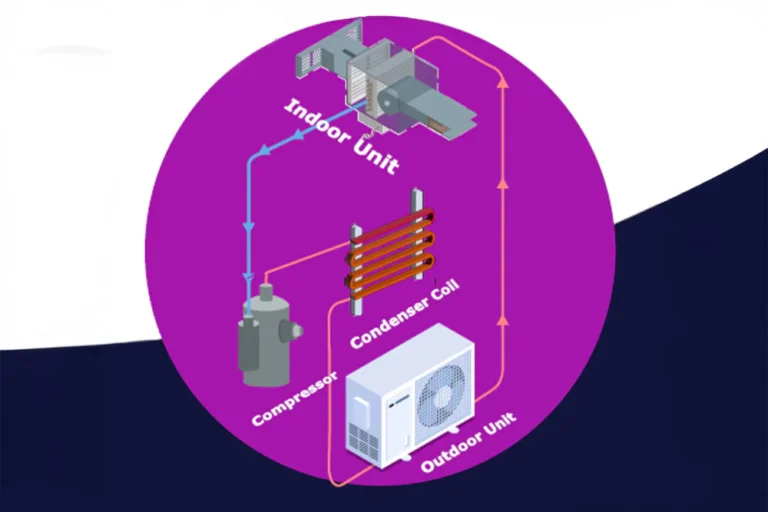
Dust buildup on coils acts like a blanket, trapping heat that should be released outside. When this happens, your compressor runs longer cycles trying to reach the set temperature. A single professional cleaning can drop your monthly bill by 200-300 AED immediately.
Emergency Repair Expenses
AC systems that don’t get regular checkups fail at the worst times, usually during July and August when temperatures peak. Emergency service calls cost 2-3 times more than scheduled maintenance visits. A compressor replacement can cost 2,000-4,000 AED. Fixing a refrigerant leak with full recharge runs 800-1,500 AED. These big repairs often stem from small issues that annual servicing would have spotted and fixed for a fraction of the cost. Understanding the annual AC maintenance cost in Dubai makes it clear how affordable prevention is compared to emergency intervention.
Shortened Equipment Lifespan
AC units designed to last 12-15 years often fail within 6-8 years when maintenance is ignored. In most cases, the breakdown starts with the compressor. Understanding the reasons your AC compressor stops turning on can help you act before a single component failure escalates into a full system replacement costing 10,000-20,000 AED. When you skip preventive care, you’re essentially throwing away 4-6 years of the equipment’s life and forcing yourself to buy a new system much sooner.
Health and Indoor Air Quality Issues
Neglected AC systems become breeding grounds for mold, bacteria, and allergens. Dirty filters stop catching dust, pollen, and pollutants, which then circulate through your home. Mold growing on wet coils spreads spores into the air you breathe. Understanding the health risks of mold buildup in AC systems reveals how quickly respiratory issues, allergies, and medical costs accumulate when this problem goes unaddressed. A single doctor visit with medication can cost 200-500 AED.
Property Damage from Water Leaks
Clogged drain lines cause water to back up and overflow from your indoor unit. Water damage ruins ceilings, walls, flooring, and furniture. Repairing water-damaged drywall and repainting costs 1,500-3,000 AED for a single room. Replacing damaged flooring can run 5,000-10,000 AED or more. Moisture from leaks also creates perfect conditions for mold growth in walls and ceilings.
Signs Your AC Is Underperforming Due to Neglected Maintenance
Weak Airflow from Vents
When air barely comes out of your vents, something is blocking the flow. Dirty filters are the usual culprit, they get so clogged that air can’t pass through. Put your hand near a vent and compare it to how it felt when the system was new. If the difference is noticeable, maintenance is overdue.
Rooms Take Forever to Cool Down
A properly working AC should cool a room to the set temperature within 15-20 minutes. If it takes 45 minutes to an hour, or never quite reaches the temperature you want, the system is struggling. Low refrigerant, dirty coils, or an overworked compressor are among the most common AC problems in Dubai that cause this. Systems that run constantly without shutting off are fighting a losing battle that only gets more expensive over time.
Strange Noises During Operation
New sounds mean something has changed inside your system. Grinding noises suggest bearings are wearing out. Squealing often points to belt problems. Rattling indicates loose parts or debris in the unit. Clicking sounds when starting up might mean electrical issues. Loud banging or clanking when the unit starts or stops usually means something has come loose or broken inside.
Unpleasant Odors
Musty or moldy smells mean biological growth somewhere in your system. Mold thrives on wet, dirty coils and in clogged drain pans. Burning smells indicate electrical problems or overheating components. Chemical or pungent odors might signal a refrigerant leak. These smells won’t go away on their own, they usually get stronger as the problem worsens.
Ice Formation on Pipes or Units
Ice or frost on the copper lines running to your outdoor unit, or on the indoor unit itself, signals serious problems. Low refrigerant causes the remaining coolant to get too cold, creating ice. Restricted airflow from dirty filters or coils also causes freezing. Never chip or scrape ice off the unit. Turn off the cooling and run only the fan to melt ice naturally.
Higher Than Normal Electricity Bills
Compare your bills to the same months last year. If consumption has jumped 20-30% or more without adding new appliances or changing usage patterns, your AC is likely the problem. Our guide on lowering your DEWA bill with AC efficiency in Dubai shows exactly which maintenance and usage changes deliver the biggest reductions. Check your meter when only the AC is running to see if consumption seems unusually high compared to your unit’s rated capacity.
How Regular Preventive Maintenance Saves Money in Dubai
Lower Monthly Energy Consumption
Clean filters alone can reduce electricity use by 10-15%. Professional coil cleaning adds another 10-20% savings. Proper refrigerant levels ensure the compressor doesn’t work harder than necessary. Together, these maintenance tasks can cut your AC power consumption by 25-35%, translating to savings of 300-600 AED monthly during peak summer. Over a five-month peak summer period, that’s 1,500-3,000 AED saved. Annual maintenance costs 600-1000 AED for most homes, which means the energy savings alone pay for the service.
Avoiding Expensive Component Replacements
A basic maintenance visit catches worn capacitors before they fail, replacing them for 150-300 AED. Wait until they fail completely, and you might damage the compressor in the process, turning a 200 AED preventive replacement into a significant AC repair cost in Dubai that could reach 3,000 AED or more in emergency callout charges alone. Technicians spot refrigerant leaks early during maintenance visits. A small leak costs 300-500 AED to repair and recharge. Ignore it, and you’ll eventually need compressor replacement plus full system recharge for 2,500-4,000 AED.
Extending System Lifespan by Years
Proper maintenance extends AC life from 7-8 years to 12-15 years. That’s 4-7 extra years before facing replacement costs of 8,000-15,000 AED. Components that get regular cleaning and adjustment experience less stress and wear. The compressor, which is the most expensive single component, lasts its full design life instead of failing prematurely.
Maintaining Warranty Coverage
Most AC manufacturers require proof of annual professional maintenance to honor warranty claims. Skip maintenance, and you void the warranty, meaning you pay full price for repairs that should have been covered. A compressor warranty claim could save you 2,000-3,500 AED, but only if you have maintenance records.
Fewer Emergency Service Calls
Preventive maintenance catches 80-90% of developing problems before they cause breakdowns. Emergency calls cost 300-500 AED just to get a technician to your door during peak season, plus parts and labor. Avoiding even one emergency breakdown per year covers your annual maintenance cost.
Common Mistakes Dubai Residents Make by Skipping AC Servicing
Only Calling for Service After a Complete Breakdown
Waiting until the AC stops working completely is the most expensive approach. By the time a system fails entirely, multiple components have usually been damaged. What could have been a 300 AED maintenance visit becomes a 1,500 AED repair bill or worse. The time to service your AC is before problems start, not after.
Attempting DIY Repairs Without Proper Knowledge
YouTube videos make AC repair look easy, but mistakes can be dangerous and expensive. Adding refrigerant without fixing the leak wastes money and harms the environment. Incorrect electrical work can cause fires. Simple tasks like filter cleaning and drain flushing are fine for homeowners. Anything involving refrigerant, electrical components, or internal parts should be left to licensed professionals.
Choosing Service Providers Based on Price Alone
The cheapest service quote is rarely the best value. Low-price providers often skip important steps, use inferior parts, or lack proper licensing and insurance. Quality service costs a bit more but includes thorough inspections, genuine parts, proper testing, and guarantees on work performed.
Believing Newer Systems Don’t Need Maintenance
Brand new AC systems still need annual AC maintenance in Dubai. First-year service is crucial for catching installation issues before warranty expires. Dust and sand don’t care how old your system is—they’ll clog filters and coils just as fast. By year three without service, enough problems have developed that repairs start adding up quickly.
Ignoring Seasonal Maintenance Timing
Scheduling maintenance in May or June, after temperatures have already peaked, means you risk breakdown during the hottest months. Smart residents book March or early April appointments when technicians have more availability and can catch problems before peak season.
Neglecting Filter Changes Between Professional Services
Even with annual professional maintenance, filters need attention every 2-4 weeks during summer. Filters are designed to be homeowner-serviceable. Neglecting filters between annual visits forces your system to work inefficiently for months.
Choosing a Trusted AC Maintenance Service in Dubai
Verify Proper Licensing and Insurance
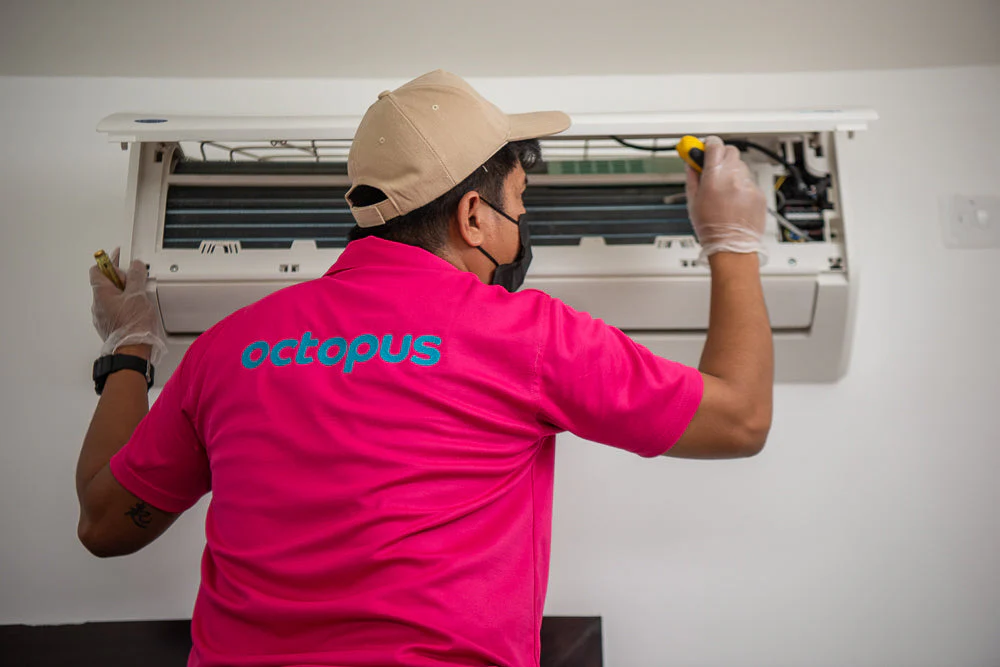
Legitimate AC companies in Dubai hold licenses from the relevant authorities and carry insurance covering both their workers and your property. Ask to see proof of licensing before hiring anyone. Unlicensed operators offer lower prices but provide no recourse if something goes wrong.
Check Reviews and Get Recommendations
Online reviews on Google, Facebook, and local forums show patterns of good or bad service. Look for companies with hundreds of reviews and high ratings. Pay attention to how companies respond to negative reviews. Ask neighbors, especially in your building or community, who they use for AC service.
Request Detailed Service Checklists
Professional maintenance should include specific tasks, not just vague “system cleaning.” A proper checklist includes filter inspection/replacement, coil cleaning, refrigerant pressure check, electrical connection testing, thermostat calibration, drain line cleaning, and performance measurement. Before hiring, ask what exactly is included in their service.
Evaluate Communication and Professionalism
How companies handle your initial inquiry tells you a lot. Do they answer calls promptly? Respond to messages quickly? Provide clear explanations? During the estimate or first visit, technicians should explain problems clearly, answer questions patiently, and never pressure you into unnecessary services.
FAQs
How much does AC preventive maintenance cost in Dubai?
Standard maintenance for residential units costs 250-800 AED per visit. This typically includes filter cleaning/replacement, coil cleaning, refrigerant check, electrical inspection, and drain line clearing.
How often should I schedule preventive maintenance in Dubai?
Schedule professional service twice yearly, once in March or early April before peak summer, and again in October or November. Clean or replace filters yourself every 2-4 weeks during heavy-use months.
Can I maintain my AC myself without professional help?
You can handle basic tasks like filter cleaning and drain line flushing. However, professional service includes refrigerant checks, electrical testing, and internal component inspection that require special tools and training.
Does regular maintenance really extend AC lifespan?
Yes, significantly. Well-maintained systems in Dubai typically last 12-15 years. Neglected systems often fail within 6-8 years. The difference comes from preventing wear and catching problems early before they damage other components.
What happens if I skip maintenance for just one year?
Even one year without service allows dust buildup, minor refrigerant leaks, and electrical connection degradation. Energy consumption increases 15-25%, and the risk of mid-summer breakdown rises significantly.
How do I know if my AC needs immediate service or can wait?
Strange noises, burning smells, water leaks, ice formation, or complete lack of cooling need immediate attention. Gradually increasing bills or slightly reduced cooling can wait for scheduled maintenance, but shouldn’t be ignored long-term.