

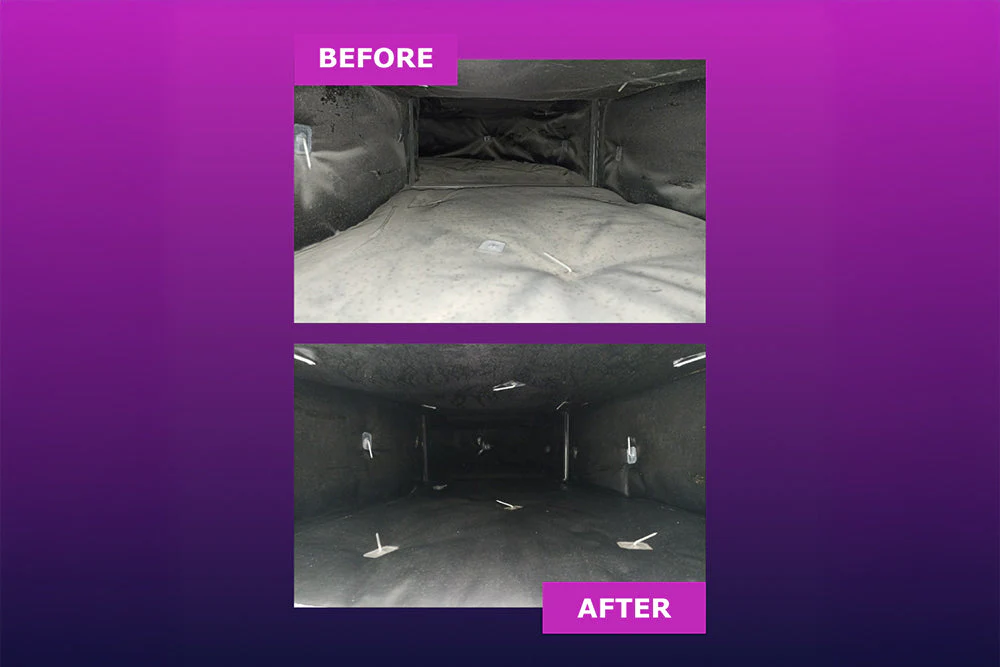
Dubai’s hot, humid climate creates almost perfect conditions for mold to grow inside air conditioning systems. With high temperatures and moisture in the air for much of the year, AC units often run constantly, making them more likely to develop mold problems compared to other regions.
When these systems operate continuously, the mix of moisture, cold surfaces, and moving air allows mold to spread quickly and quietly. Once it starts, your AC distributes mold spores into the air your family breathes every time it runs.
This guide explains the health risks, warning signs, and how to handle mold before it becomes a serious problem.
Why Mold Thrives in AC Units
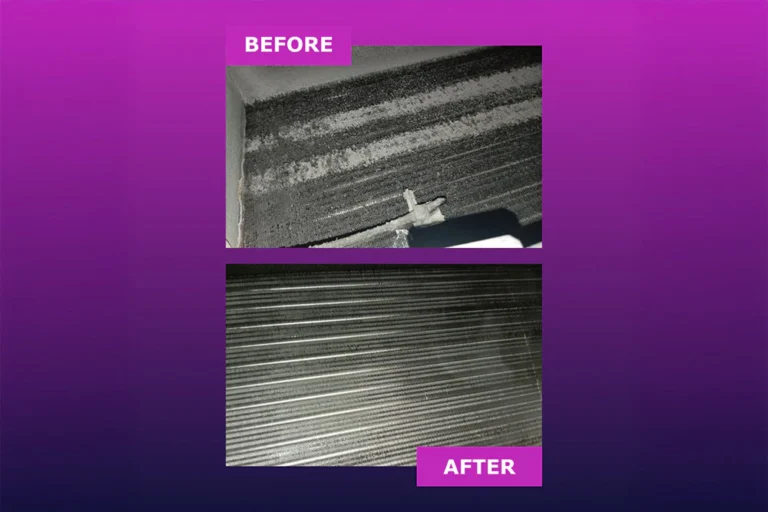
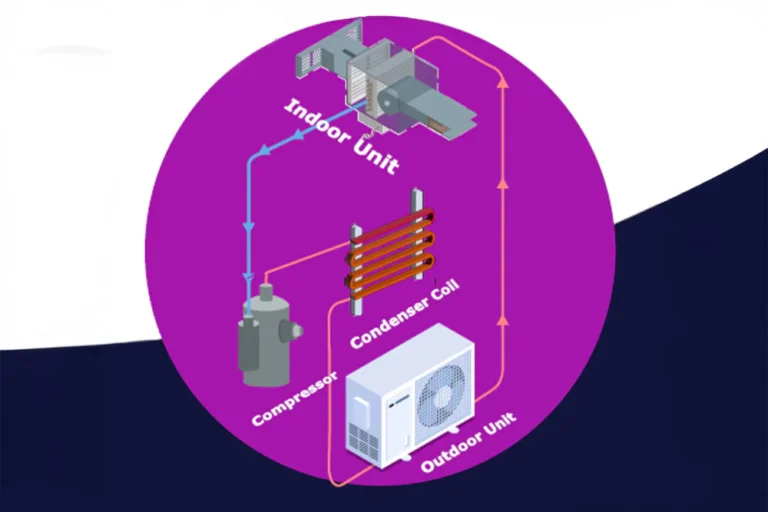
Air conditioners cool rooms by pulling moisture from the air onto cold coils. If the water doesn’t drain properly due to clogs or high humidity, it pools. This standing water, combined with dust, creates the perfect dark, damp environment for mold to grow.
Warning Signs of Mold in Your Aircon
Look out for these indicators that mold may already be present in your system:
- Musty or damp smell — A persistent earthy odour when the AC runs is the most reliable early indicator of mold.
- Visible dark patches — Black, green, or grey spots around vents, on vent grilles, or visible inside duct openings.
- Worsening allergy or asthma symptoms — Symptoms that improve when you leave the building or turn the AC off strongly suggest an indoor air quality problem.
- Heavy dust near vents — Unusually fast dust accumulation around vents may contain mold spores circulating through the system.
- Persistent coughing or throat irritation — Particularly when the AC is in use and without an obvious cold or virus.
- Condensation-heavy or foggy windows — A sign of excess indoor humidity that creates ideal mold-growing conditions.
Is Mold in an Air Conditioner Dangerous?
Yes, mold in an AC is genuinely dangerous. When your AC circulates air through contaminated ducts or over mold-coated coils, it aerosolizes mold spores and mycotoxins. These tiny particles can bypass normal respiratory defenses and reach deep into the lungs.
Prolonged exposure is linked to:
- Respiratory problems: Coughing, wheezing, shortness of breath, and worsened asthma.
- Allergic reactions: Persistent sneezing, runny nose, itchy eyes, and skin rashes.
- Sinus and throat infections: Chronic sinusitis and recurring throat infections.
- Fungal infections: According to the Centers for Disease Control and Prevention (CDC), inhaling Aspergillus mold spores can cause Aspergillosis, a potentially life-threatening lung infection for immunocompromised individuals.
- Mycotoxin exposure: The World Health Organization (WHO) reports that living in damp, moldy indoor environments exposes occupants to mycotoxins and microbial volatile organic compounds (mVOCs), which are associated with fatigue, headaches, and severe respiratory stress.
Who is Most at Risk?
While harmful to everyone, these groups face the greatest risk:
- Children: Developing lungs and immune systems make them highly vulnerable.
- Pregnant women: Respiratory complications increase risks to both mother and fetus.
- Elderly individuals: Age-related immune decline increases susceptibility to severe reactions.
- Asthma or allergy sufferers: Low concentrations can easily trigger severe attacks.
- Immunocompromised individuals: Those on immunosuppressants face severe risks from airborne spores.
How to prevent mold from coming back
Removing mold is only half the solution. These steps will significantly reduce the chance of recurrence:
- Keep indoor humidity below 60%. Use a hygrometer to monitor levels, especially during summer.
- Clean or replace AC filters every 2–4 weeks during heavy-use months.
- Ensure drainage pipes are clear and checked at the start of each season.
- Never block or cover vents. Restricted airflow increases condensation inside the unit.
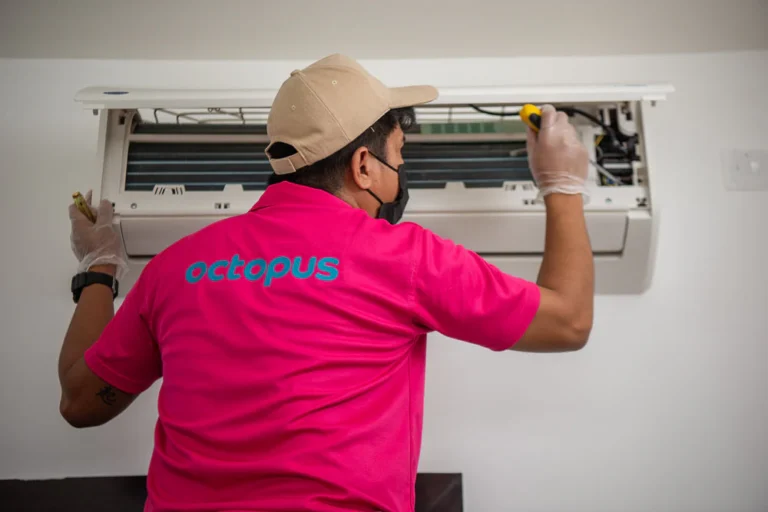
- Schedule a professional deep clean before and after the summer humidity season.
- For villa and apartment central AC systems, include annual duct inspections as standard in your maintenance plan.
Conclusion
Mold in an AC system is not a minor inconvenience in Dubai’s climate, it is a genuine health hazard affecting the air quality of your entire home or office. The good news is that it is entirely preventable and treatable with the right maintenance approach. If you have noticed a musty smell, increased allergy or respiratory symptoms, or simply have not had a professional AC clean in over six months, do not wait. Contact Octopus today for a professional mold inspection and AC cleaning service in Dubai and breathe easier.





 AC Maintenance & Repair
 AC Replacement / Installation
 AC Duct Cleaning
 AC Coil Cleaning
 Annual Maintenance Contracts
 Water Tank Cleaning
 Plumbing
 Electrical
 Handyman
 Home Renovation