
Water heaters are essential appliances in Dubai homes, providing hot water for various daily activities. However, like any other household equipment, water heaters have a limited lifespan and may require replacement over time. Recognizing the signs that your water heater needs replacement is crucial to avoid unexpected breakdowns and ensure a continuous supply of hot water. In this comprehensive guide, we’ll explore the key indicators that suggest it’s time to replace your water heater in Dubai.
Signs That Your Water Heater Needs Replacement in Dubai
Age of Your Water Heater
The age of your water heater is a crucial factor in determining whether it needs replacement. Most water heaters have a lifespan of 8 to 12 years. If your unit is approaching or has surpassed this age, it might be time to consider a replacement. Older units are more prone to breakdowns and inefficiencies, which can lead to higher energy bills and inconsistent performance.
- Lifespan: 8-12 years
- Increased risk of breakdowns
- Higher energy consumption
Reduced Hot Water Supply
A noticeable reduction in hot water supply is a clear sign that your water heater may need replacement. This issue often arises from sediment buildup or a failing heating element. If you find yourself running out of hot water faster than usual, it might be time to evaluate your water heater’s condition.
- Sediment buildup
- Failing heating element
- Faster depletion of hot water
Inconsistent Water Temperature
Inconsistent water temperature can be frustrating and is often a sign of a failing water heater. This issue can result from a malfunctioning thermostat or heating element. If your water temperature fluctuates frequently, it may be time to consider a new unit.
| Temperature Issue | Possible Cause | Action Required |
| Sudden cold water | Faulty heating element | Replacement of element or entire unit |
| Lukewarm water only | Thermostat malfunction | Thermostat adjustment or replacement |
| Extreme temperature swings | Sediment buildup | Flush tank or consider replacement |
Unusual Noises from the Tank
Unusual noises such as popping or rumbling from your water heater tank can indicate sediment buildup. As sediment accumulates, it hardens and causes the tank to make noise. This can lead to inefficiencies and potential damage to the unit.
- Popping or rumbling sounds
- Sediment accumulation
- Potential damage to the tank
Visible Rust or Corrosion
Visible rust or corrosion on your water heater is a serious sign that it may need replacement. Rust can indicate a leak or structural damage, which can lead to water damage in your home. If you notice rust, it’s essential to address the issue promptly.
- Signs of leaks
- Structural damage
- Risk of water damage
Discolored or Smelly Water
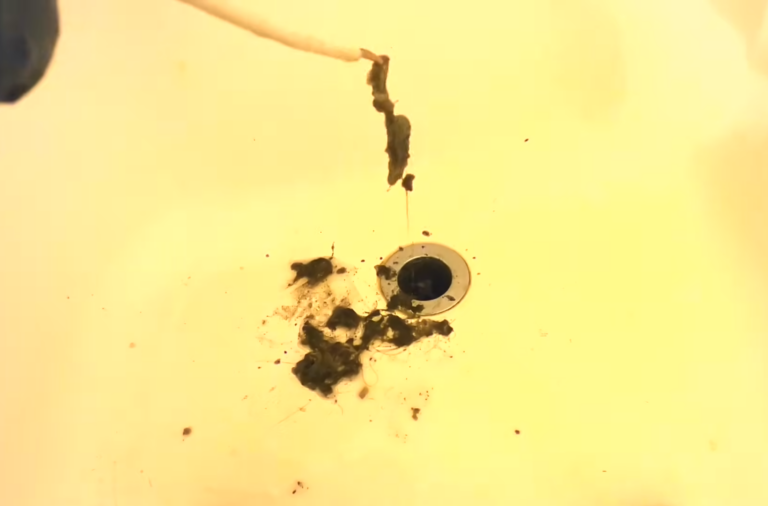
Discolored or smelly water from your taps can be a sign of a failing water heater. This issue often results from rust or bacterial buildup in the tank, indicating the need for a new unit.
- Rust or bacteria buildup
- Discolored or smelly water
- Indicates need for replacement
Common Water Heater Problems in Dubai Homes
Understanding the typical issues faced by water heaters in Dubai can help homeowners identify potential problems early on.

Sediment Buildup
Dubai’s water contains minerals that can accumulate at the bottom of the tank, reducing efficiency and potentially causing damage.
Leaking Tank
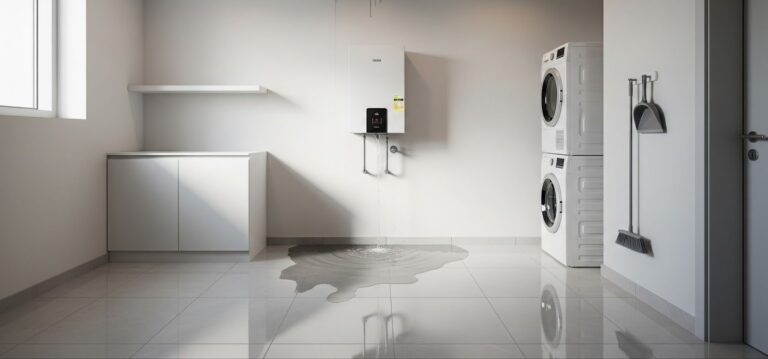
Small leaks can develop into larger problems, potentially causing water damage to your home and indicating the need for replacement.
- Perform regular visual inspections for signs of leaks
- Check the area around the water heater for moisture or water stains
- Consider installing a leak detection system for early warning
Faulty Thermostat
A malfunctioning thermostat can lead to temperature inconsistencies and increased energy consumption.
Damaged Heating Elements
In electric water heaters, heating elements can wear out over time, reducing the unit’s ability to heat water effectively.
| Problem | Symptoms | Potential Solution |
| Sediment Buildup | Reduced efficiency, strange noises | Regular flushing or replacement |
| Leaking Tank | Water around base, visible cracks | Immediate replacement |
| Faulty Thermostat | Inconsistent temperatures | Thermostat replacement or unit upgrade |
| Damaged Heating Elements | Insufficient hot water | Element replacement or full unit replacement |
Impact of Dubai’s Water Quality on Water Heaters
The unique characteristics of Dubai’s water supply can significantly affect the lifespan and performance of water heaters.
Hard Water Effects
Dubai’s water is known for its high mineral content, which can lead to scale buildup in water heaters.
Mineral Deposits
The accumulation of minerals can reduce heating efficiency and cause damage to internal components.
- Consider installing a water softener to reduce mineral buildup
- Perform regular maintenance to remove scale and deposits
- Choose water heaters designed to handle hard water conditions
The combination of hard water and high usage in Dubai’s climate can lead to faster deterioration of water heater components.
When to Repair vs Replace Your Water Heater
Deciding whether to repair or replace your water heater depends on several factors.
Cost-Benefit Analysis
Compare the cost of repairs against the price of a new, more efficient water heater to determine the most economical option.
Frequency of Repairs
If you find yourself calling for repairs more often, it may be more cost-effective to invest in a new unit.
- Track repair expenses over time
- Consider the age of your current water heater
- Evaluate the potential energy savings of a new, efficient model
Availability of Parts
For older models, replacement parts may become scarce or expensive, making replacement a more practical choice.
How to Choose the Right Water Heater in Dubai?
Selecting the right water heater in Dubai requires considering home size, hot-water usage, climate, and energy efficiency. Start by identifying how many people live in your home and how often hot water is used for showers, kitchen work, and laundry. For apartments or small families, a 30–50L tank or tankless unit works well; larger villas often need 80L+ systems or centralized solutions.
Types of Water Heaters in Dubai and Which One Is Best
Dubai offers several types of water heaters, each designed to suit different property sizes, climates, and water-usage needs. Choosing the right one ensures consistent hot water, better energy efficiency, and long-term cost savings, especially in a city known for high temperatures and hard water.
Storage Tank Water Heaters:
These are the most common systems across Dubai apartments and villas. They store heated water in insulated tanks and are ideal for families who use hot water throughout the day. However, they require proper insulation to handle Dubai’s heat and can consume more energy than modern alternatives.
Tankless (Instant) Water Heaters:
Tankless units heat water on demand and don’t require a storage tank, making them compact and energy-efficient. They’re perfect for smaller homes and apartments, but may struggle when multiple taps or showers run at the same time in larger households.
Solar Water Heaters:
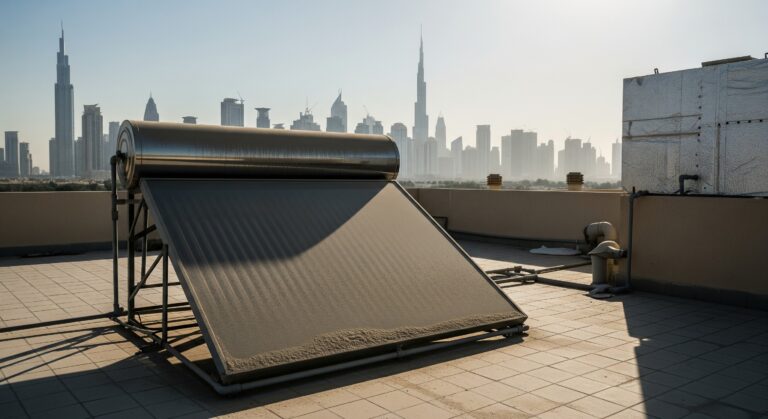
With abundant sunshine year-round, solar heaters are a smart, sustainable choice in Dubai. They significantly cut electricity bills and work well for villas with rooftop space. Installation costs are higher, but long-term savings and eco-benefits make them excellent for homeowners planning to stay long term.
Which One Is Perfect for Dubai Homes?
- Apartments or small families: Tankless or compact storage heaters
- Medium to large villas: Solar or heat pump systems for long-term efficiency
- Budget-friendly choice: Standard storage tank heaters with anti-scale protection
To choose the right heater, consider your home size, hot-water usage, energy goals, and available installation space. Prioritizing efficiency and durability will help you enjoy reliable hot water and lower utility bills in Dubai’s demanding climate.
Professional Water Heater Installation in Dubai
Proper installation is crucial for the performance and longevity of your new water heater.
Importance of Expert Installation
Professional installation ensures that your water heater is set up correctly, adhering to local building codes and safety standards.
Safety Considerations
Proper installation minimizes the risk of gas leaks, electrical issues, and water damage.
- Choose a licensed and experienced plumber for installation
- Ensure all necessary permits are obtained
- Request a post-installation inspection for peace of mind
Warranty and After-Sales Service
Professional installation often comes with warranty protection and access to reliable after-sales support.
Maintenance Tips to Extend Water Heater Lifespan
Regular maintenance can significantly prolong the life of your water heater and maintain its efficiency.
Regular Flushing
Flushing your water heater annually helps remove sediment buildup, improving performance and efficiency.
Anode Rod Replacement
The anode rod protects the tank from corrosion and should be checked and replaced as needed.
- Schedule annual maintenance checks with a professional
- Learn basic maintenance tasks you can perform safely
- Keep a log of maintenance activities and any issues encountered
Temperature Setting Optimization
Setting your water heater to the optimal temperature can reduce energy consumption and prevent scalding.
Final Thoughts
If you’ve noticed inconsistent water temperature, rust, leaks, or strange noises, it’s likely time to replace your unit rather than repair it again. Investing in a new, energy-efficient water heater not only ensures steady hot water but also saves on long-term energy costs.
Before choosing, consider your home size, usage needs, and Dubai’s heat, and always get a licensed professional for installation. A properly installed and maintained system means fewer surprises, lower bills, and consistent comfort all year round.
FAQs
How long do water heaters last in Dubai?
Water heaters in Dubai typically last between 8 to 12 years. The lifespan can be affected by factors such as water quality, usage, and maintenance. Regular servicing can help extend the life of your unit.
What are the signs of a water heater going bad?
Signs of a failing water heater include inconsistent water temperature, reduced hot water supply, and unusual noises. Visible rust or leaks are also indicators that your unit may need replacement. Addressing these issues promptly can prevent further damage.
Is it worth replacing an old water heater?
Replacing an old water heater can be worth it if the unit is inefficient or requires frequent repairs. Newer models offer improved energy efficiency and performance, which can lead to long-term savings. Consider the age and condition of your current unit when making a decision.
How much does it cost to replace a water heater in Dubai?
The cost of replacing a water heater in Dubai can vary based on the type and size of the unit. On average, prices range from AED 1,500 to AED 4,000. Additional costs may include installation and disposal fees.