Air conditioning systems are a modern marvel, providing comfort during sweltering summer days. However, it can be frustrating when your AC still doesn’t cool after a gas refill. Understanding the reasons behind this issue is crucial for effective troubleshooting and ensuring your AC operates efficiently.
Top Reasons Your AC Still Doesn’t Cool After a Gas Refill
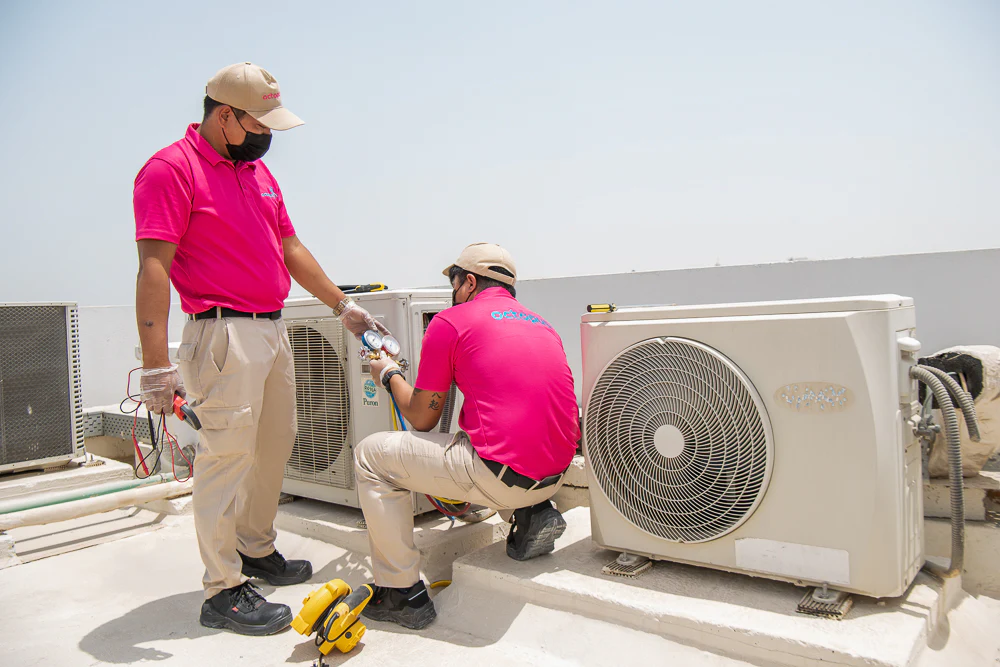
Incorrect Refrigerant Level or Improper Refilling
One of the most common reasons your AC might not cool after a gas refill is an incorrect refrigerant level. If the refrigerant is not filled to the required level, the cooling process can be compromised. Improper refilling can also lead to air pockets, which hinder the refrigerant’s flow.
- Ensure the refrigerant is filled to the manufacturer’s specifications.
- Avoid overfilling, as it can cause pressure issues.
- Use professional services for accurate refilling.
Refrigerant flow restrictions that cause inaccurate charging often start at the condenser — what the AC condenser is and how it impacts refrigerant circulation is critical context for diagnosing why gas levels keep falling short.
Compressor Not Functioning Properly
The compressor is the heart of your AC system. If it’s not functioning properly, the refrigerant cannot circulate effectively, leading to inadequate cooling. A malfunctioning compressor might be due to electrical issues or mechanical wear and tear.

Fast & Reliable AC Service at Your Doorstep
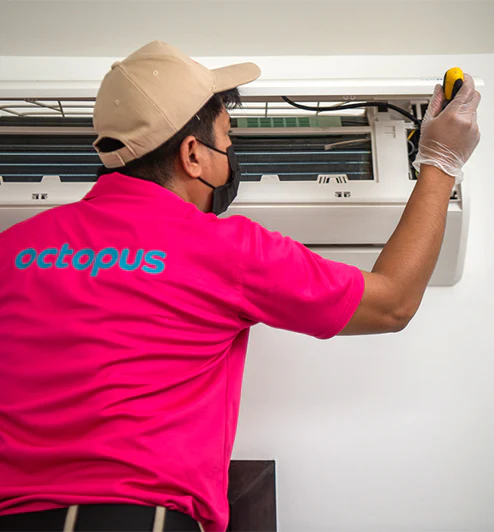
Whether it’s a routine checkup or an urgent repair, our AC service ensures that your system is always working at peak performance. Let us handle the technical stuff while you stay cool.
- Check for unusual noises from the compressor.
- Ensure the compressor receives an adequate power supply.
- Consider professional inspection for potential repairs.
A malfunctioning compressor is one of the most common AC problems in Dubai — left unaddressed, it renders refrigerant refills completely ineffective regardless of how accurately the gas was charged.
Clogged Air Filters or Condenser Coils
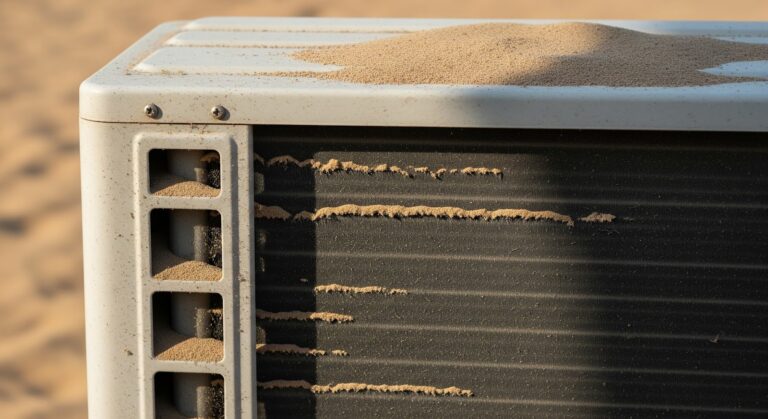
Clogged air filters or condenser coils can severely impact your AC’s cooling efficiency. Dirt and debris restrict airflow, causing the system to work harder and less efficiently.
- Regularly clean air filters.
- Inspect condenser coils for dirt buildup.
- Schedule routine maintenance to prevent clogs.
Clogged filters and dirty coils are just two of the reasons your AC loses cooling performance in Dubai, addressing them alongside a proper gas refill is essential for restoring full efficiency.
Refrigerant Leak Not Properly Sealed
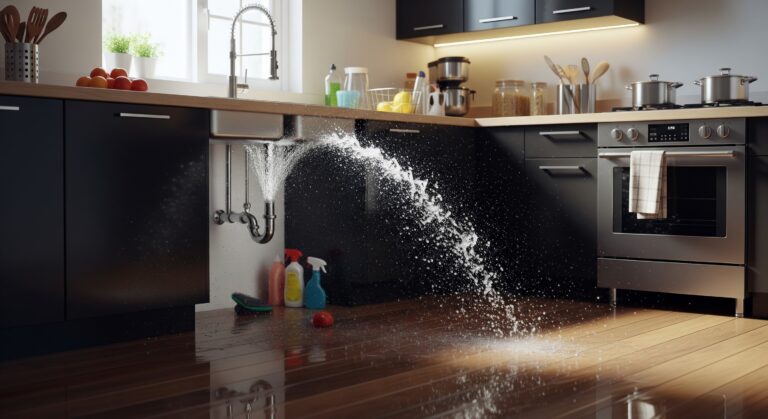
A refrigerant leak that is not properly sealed can lead to a loss of cooling efficiency, and it can also result in AC leaking water from refrigerant loss as coils freeze and excess condensation overflows the drain pan.
- Conduct a thorough leak detection test.
- Seal any identified leaks promptly.
- Monitor refrigerant levels regularly.
Faulty Thermostat or Sensor Malfunction
A faulty thermostat or sensor can misread the room temperature, causing the AC to cool inadequately. This issue can lead to inconsistent cooling and increased energy consumption.
- Calibrate the thermostat for accurate readings.
- Replace malfunctioning sensors.
- Ensure the thermostat is placed away from heat sources.
Weak or Damaged AC Capacitor
The AC capacitor provides the initial jolt of energy to start the compressor. A weak or damaged capacitor can prevent the compressor from starting, affecting the cooling process.
- Test the capacitor for electrical continuity.
- Replace damaged capacitors immediately.
- Consult a professional for capacitor issues.
Blocked Expansion Valve or Capillary Tube
A blocked expansion valve or capillary tube can restrict the flow of refrigerant, leading to poor cooling performance. This blockage can be due to debris or mechanical failure.
- Inspect the expansion valve for blockages.
- Clean or replace the capillary tube if necessary.
- Ensure the refrigerant flows smoothly through the system.
Electrical Faults or Blown Fuses
Electrical faults or blown fuses can disrupt the power supply to the AC, affecting its cooling ability. These issues can arise from power surges or faulty wiring.
- Inspect the electrical connections for damage.
- Replace blown fuses promptly.
- Consider surge protectors to prevent electrical faults.
Professional Diagnosis and Repair Options
Comprehensive AC System Inspection
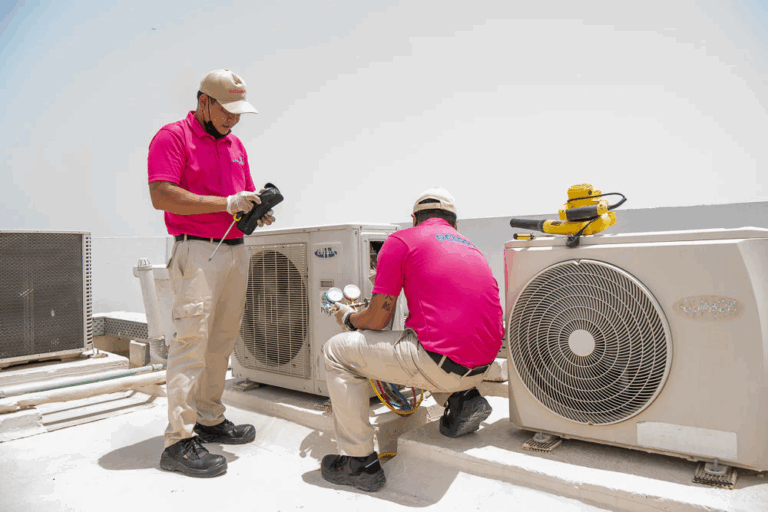
A comprehensive AC system inspection can identify underlying issues that affect cooling performance. Professional technicians can diagnose problems accurately and recommend effective solutions, including reliable AC Repair Dubai services to restore your system’s efficiency.
- Schedule regular inspections for your AC system.
- Ensure all components are functioning optimally.
- Address minor issues before they escalate.
Refrigerant Leak Detection and Repair
Detecting and repairing refrigerant leaks is crucial for maintaining cooling efficiency. Professional services can use advanced tools to identify and seal leaks effectively.
- Use electronic leak detectors for accurate detection.
- Seal leaks with appropriate materials.
- Monitor refrigerant levels post-repair.
Component Replacement or Upgrade
Sometimes, replacing or upgrading components is necessary for optimal performance. Older parts may not function efficiently, affecting the overall cooling capacity.
- Consider upgrading to energy-efficient components.
- Replace worn-out parts with high-quality alternatives.
- Consult professionals for component recommendations.
Common Mistakes During AC Gas Refilling
Using the Wrong Type or Quantity of Refrigerant Gas
Using the wrong type or quantity of refrigerant gas can lead to inefficiencies and potential damage to the AC system. It’s essential to use the correct refrigerant specified by the manufacturer.
- Verify the type of refrigerant required for your AC.
- Measure the refrigerant accurately during refilling.
- Avoid mixing different types of refrigerants.
Ignoring Leaks and Pressure Testing Before Refilling
Ignoring leaks and skipping pressure testing before refilling can lead to recurring issues. Proper testing ensures the system is leak-free and ready for optimal performance.
- Conduct pressure tests to identify leaks.
- Repair leaks before refilling refrigerant.
- Ensure the system is sealed and pressure-tested.
Skipping Essential Steps Like Vacuuming and Coil Cleaning
Skipping essential steps like vacuuming and coil cleaning can compromise the AC’s efficiency. These steps are crucial for removing air and moisture from the system.
- Vacuum the system to remove air and moisture.
- Clean coils to enhance heat exchange efficiency.
- Follow a systematic approach during refilling.
Skipping coil cleaning before a gas refill doesn’t just reduce efficiency — understanding how dirty AC coils affect indoor air quality explains why this step carries health consequences that go well beyond cooling performance.
Best Type of Refrigerant Gas for Long-Term Cooling Efficiency
Comparing Common Refrigerant Types: R22, R32, and R410A
Different refrigerant types offer varying levels of efficiency and environmental impact. Understanding these differences can help in selecting the best option for your AC system.
| Refrigerant Type | Efficiency | Environmental Impact |
| R22 | Moderate | High |
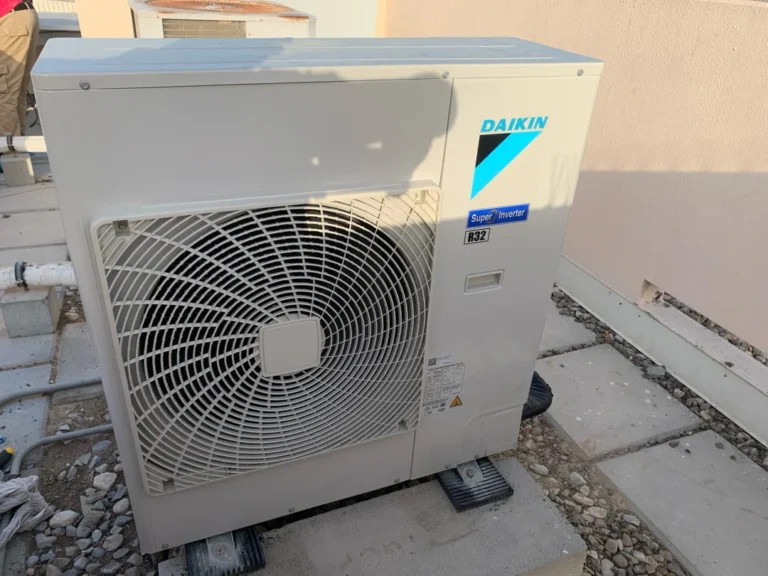
| R32 | High | Low |
| R410A | High | Moderate |
Why R32 Is Preferred for Modern Energy-Efficient AC Systems
R32 is preferred for modern energy-efficient AC systems due to its superior cooling efficiency and lower environmental impact. It offers a balance between performance and sustainability.
- R32 has a lower global warming potential.
- It provides efficient cooling with less refrigerant.
- Ideal for energy-conscious consumers.
How the Right Refrigerant Extends Compressor Life and Reduces Power Consumption
Using the right refrigerant can extend the compressor’s life and reduce power consumption. Efficient refrigerants minimize strain on the compressor, enhancing its longevity.
- Reduces wear and tear on the compressor.
- Lowers energy bills with efficient cooling.
- Promotes sustainable AC operation.
Using the wrong refrigerant accelerates compressor wear over time, understanding the reasons behind AC compressor failure helps homeowners make informed decisions about refrigerant selection before damage becomes irreversible.
How Long Does It Take For AC To Cool After Adding Freon?

Typical Cooling Timeframes
After adding Freon, the AC should start cooling within 15 to 30 minutes. This timeframe allows the refrigerant to circulate and begin the cooling process effectively.
- Initial cooling may vary based on system size.
- Monitor the temperature drop for consistency.
- Ensure the system is operating without leaks.
Factors Affecting Cooling Speed
Several factors can affect the cooling speed after adding Freon. These include the ambient temperature, AC system size, and the initial refrigerant level.
- Higher ambient temperatures may slow cooling.
- Larger systems may take longer to cool.
- Proper refrigerant levels ensure faster cooling.
Signs of Proper Refrigerant Charge
Signs of a proper refrigerant charge include consistent cooling, no unusual noises, and stable energy consumption. These indicators suggest the AC is functioning optimally.
- Check for even cooling throughout the space.
- Listen for smooth operation without hitches.
- Monitor energy bills for unexpected spikes.
Can Low Freon Cause The AC Not To Cool?
Impact of Low Refrigerant on Cooling
Low Freon levels can significantly impact the AC’s cooling ability. Without sufficient refrigerant, the system cannot absorb and release heat effectively.
- Leads to inadequate cooling performance.
- Increases strain on the compressor.
- May cause the system to overheat.
Symptoms of Low Refrigerant Levels
Symptoms of low refrigerant levels include warm air from vents, hissing noises, and evaporator coil ice buildup. These signs indicate the need for a refrigerant refill. If you’re experiencing these issues, professional air conditioning coil cleaning in Dubai services can inspect and resolve refrigerant-related problems before they worsen.
- Warm air instead of cool air from the AC.
- Unusual noises during operation.
- Ice formation on AC components.
Importance of Proper Refrigerant Charge
Maintaining a proper refrigerant charge is crucial for optimal AC performance. It ensures efficient cooling, reduces energy consumption, and prolongs the system’s lifespan.
- Enhances cooling efficiency and comfort.
- Prevents unnecessary wear on components.
- Supports sustainable energy use.
Preventive Maintenance for Optimal AC Performance
Importance of Routine AC Maintenance
Routine AC maintenance in Dubai is essential for preventing issues and ensuring efficient operation. Regular checks can identify potential problems before they escalate.
- Schedule bi-annual maintenance checks.
- Address minor issues promptly.
- Maintain a clean and efficient system.
Key Maintenance Tasks to Keep Your AC Running Smoothly
Key maintenance tasks include cleaning filters, checking refrigerant levels, and inspecting electrical connections. These tasks ensure the AC operates at peak efficiency.
- Clean air filters regularly.
- Monitor refrigerant levels for consistency.
- Inspect and secure electrical connections.
Seasonal Maintenance Tips for Peak Efficiency
Seasonal maintenance tips include adjusting thermostat settings, cleaning outdoor units, and checking for leaks. These practices prepare the AC for changing weather conditions.
Final thoughts
Understanding why your AC still doesn’t cool after a gas refill is crucial for effective troubleshooting. By addressing common issues and following preventive maintenance practices, you can ensure your AC operates efficiently and provides the comfort you need.
FAQs
Why is my AC not cooling after adding Freon?
Your AC may not cool after adding Freon due to incorrect refrigerant levels, leaks, or a malfunctioning compressor. Ensuring proper refilling and addressing any leaks can resolve this issue.
How to Test AC Cooling Efficiency After a Gas Refill
To test AC cooling efficiency after a gas refill, monitor the temperature drop, check for consistent airflow, and listen for unusual noises. These indicators can help assess the system’s performance.
Does Overcharging Refrigerant Affect AC Cooling?
Overcharging refrigerant can negatively affect AC cooling by causing pressure issues and reducing efficiency. It can also lead to compressor damage, impacting the system’s longevity.