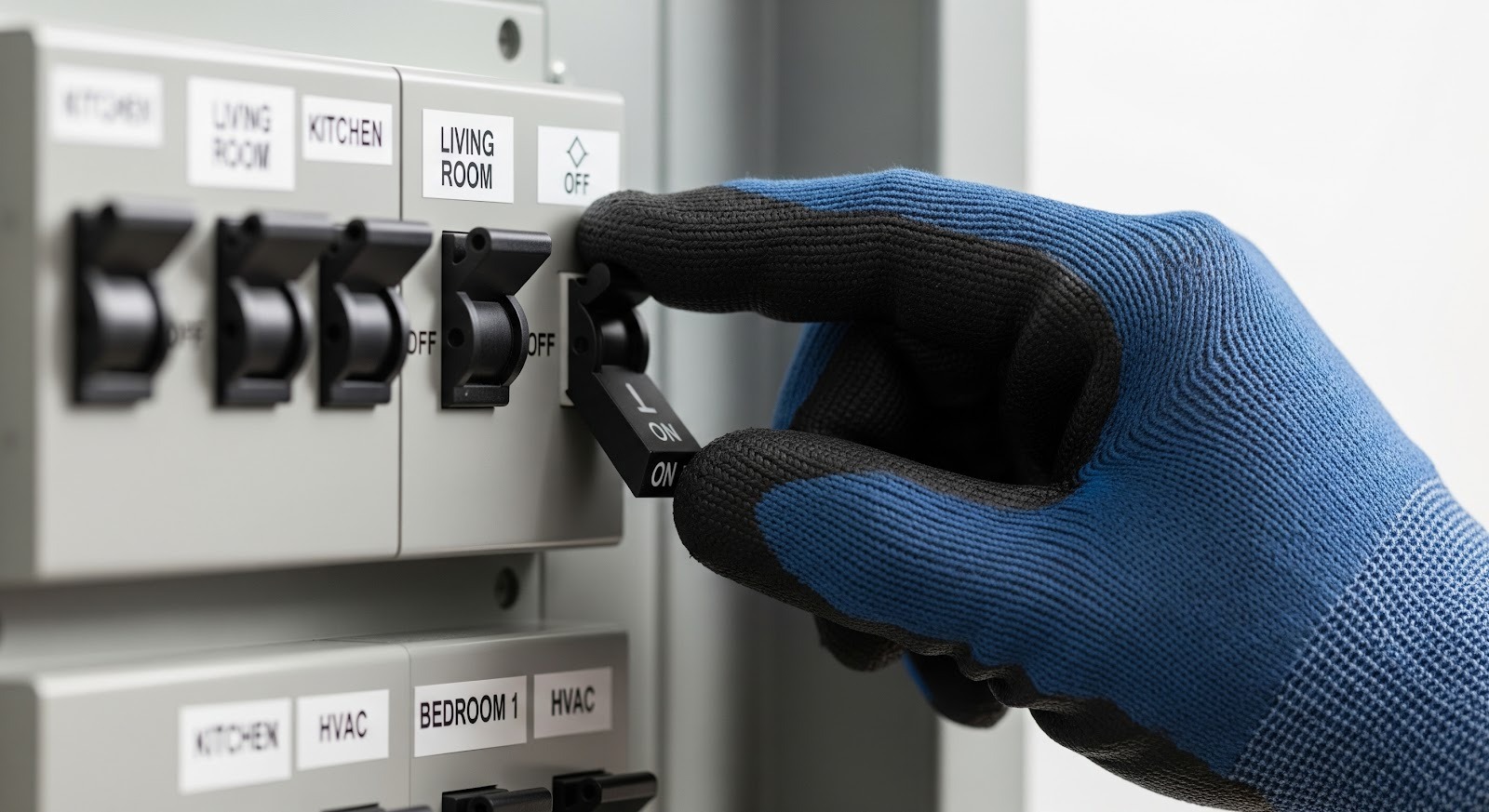
In the sweltering heat of Dubai, a functioning air conditioning system is not just a luxury but a necessity. However, if your AC keeps tripping the breaker, it can be both frustrating and concerning. Understanding the reasons behind this issue can help you address it effectively and ensure your home remains cool and comfortable.
A circuit breaker is a crucial component of your electrical system, designed to protect your AC unit from electrical overloads. When the current flowing through the circuit exceeds a safe level, the breaker trips, cutting off the power supply to prevent damage or fire hazards. This safety mechanism is essential for maintaining the integrity of your AC system and ensuring your home’s safety.
AC Keeps Tripping Breaker: Common Causes and Solutions
Dirty Air Filter Restricting Airflow
A dirty air filter can significantly restrict airflow, causing your AC to work harder and potentially trip the breaker. Regularly checking and cleaning the air filter can prevent this issue and improve your AC’s efficiency.
- Restricted Airflow: A clogged filter limits air movement, causing the system to overheat.
- Solution: Clean the air filter every 2-4 months to ensure optimal airflow.
Frozen Evaporator Coil Causing System Overload
A frozen evaporator coil can lead to system overload, causing the breaker to trip. This often results from insufficient airflow or refrigerant issues. Addressing these underlying problems can prevent coil freezing.

Fast & Reliable AC Service at Your Doorstep
Whether it’s a routine checkup or an urgent repair, our AC service ensures that your system is always working at peak performance. Let us handle the technical stuff while you stay cool.
- Causes of Freezing: Low refrigerant levels or poor airflow.
- Solution: Ensure proper airflow and check refrigerant levels regularly.
Compressor Pulling Too Much Current
The compressor is the heart of your AC system, and if it pulls too much current, it can trip the breaker. This issue may arise from electrical problems or mechanical failures within the compressor.
- Excessive Current Draw: Indicates potential compressor issues.
- Solution: Have a professional inspect and repair the compressor.
Faulty Capacitor or Contactor Issues
Capacitors and contactors are vital for starting and running the AC unit. If these components are faulty, they can cause the system to draw excessive current, leading to a tripped breaker.
- Faulty Components: Can lead to inefficient operation and breaker trips.
- Solution: Replace faulty capacitors or contactors promptly.
Short Circuit or Ground Fault in Wiring
A short circuit or ground fault in the wiring can cause the breaker to trip. These electrical issues require immediate attention to prevent further damage or safety hazards.
- Electrical Faults: Can cause dangerous current surges.
- Solution: Have a qualified electrician inspect and repair the wiring.
Short circuits in villa wiring are closely linked to sudden electrical failures in Dubai villas, understanding the broader electrical risks can help homeowners respond safely before further damage occurs.
Clogged Condenser Coils Leading to Overheating
Clogged condenser coils can cause the AC system to overheat, leading to a tripped breaker. Regular cleaning of the coils can prevent this issue and enhance system performance.
- Overheating Risk: Caused by dirt and debris on the coils.
- Solution: Clean the condenser coils regularly to maintain efficiency.
Breaker or Wiring Rated Lower Than AC Load
If the breaker or wiring is not rated to handle the AC’s load, it can trip frequently. Ensuring that your electrical system is appropriately rated for your AC unit is crucial.
- Solution: Upgrade the breaker or wiring to match the AC’s load requirements.
How to Reset a Tripped Breaker Safely
Resetting a tripped breaker is a straightforward process, but it must be done safely to avoid electrical hazards. Always ensure your hands are dry and stand on a dry surface when resetting the breaker.
- Safety First: Ensure a safe environment before resetting.
- Steps to Reset: Turn off the AC, reset the breaker, and then turn the AC back on.
When to Call an HVAC Professional
While some AC issues can be resolved with basic troubleshooting, others require professional expertise. Knowing when to call an HVAC professional can save you time and prevent further damage.
- Complex Issues: Require professional diagnosis and repair.
- Professional Help: Call an expert if the breaker continues to trip after basic troubleshooting.
For broader electrical concerns beyond the AC unit, working with a reliable electrical maintenance company in Dubai ensures your entire home electrical system is inspected and safe.
Why AC Breaker Trips Frequently in Dubai’s Climate?
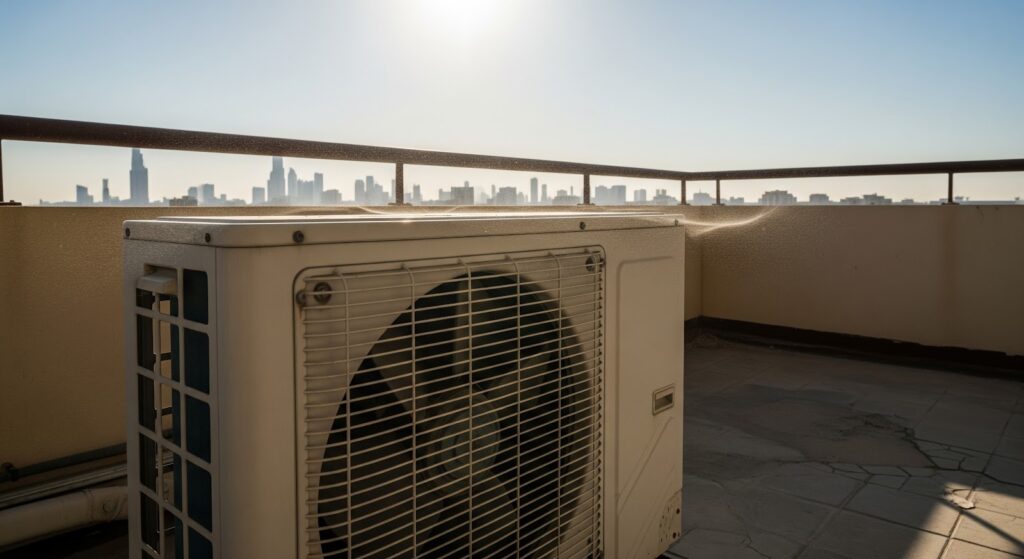
Dubai’s extreme heat and dusty environment can put enormous pressure on air conditioning systems, breaker tripping is just one of the common AC problems in Dubai that homeowners face during peak summer months. This is a protective mechanism to prevent overheating or electrical overload, but frequent tripping is a sign that your AC is struggling against the harsh climate. Below are the main reasons this happens and what you can do to prevent it.
High Temperatures Increasing AC Load Demand
During Dubai’s scorching summers, outdoor temperatures often exceed 45°C, forcing your AC to run continuously to maintain indoor comfort. This increases current draw, overloading the circuit and triggering the breaker.
To reduce strain:
- Set your thermostat slightly higher (around 24–25°C).
- Keep doors and windows closed to minimize heat entry.
- Use curtains or shades to block direct sunlight and reduce load.
Sand and Humidity Affecting Outdoor Unit Performance
Sandstorms and high humidity can clog the condenser fins, coating them with fine dust that traps heat. This restricts airflow, making the compressor overheat and trip the breaker.
Preventive measures:
- Schedule regular outdoor unit cleaning during dusty months.
- Use protective mesh covers to minimize sand buildup.
- Ensure proper ventilation around the unit for heat dissipation.
Overworked Compressors During Peak Summer Months
When the AC runs almost nonstop, the compressor may overheat or draw excess amperage, causing frequent trips. Prolonged overwork can also shorten the compressor’s lifespan.
To avoid overload:
- Give the system short breaks between cooling cycles.
- Clean condenser coils for better heat release.
- Have a technician check for low refrigerant levels or mechanical resistance.
If the compressor has been overworked for an extended period, it may eventually stop starting altogether. Understanding why an AC compressor is not turning on can help you identify the warning signs before a complete breakdown occurs.
Impact of Poor Maintenance in Desert Conditions
In Dubai’s desert climate, neglecting routine AC maintenance leads to dust buildup, restricted airflow, and poor electrical connections, all common causes of both breaker trips and AC short cycling.
Regular maintenance helps:
- Prevent overheating and electrical faults.
- Maintain steady compressor performance.
- Extend the lifespan of both the compressor and circuit components.
Professional AC Maintenance and Repair
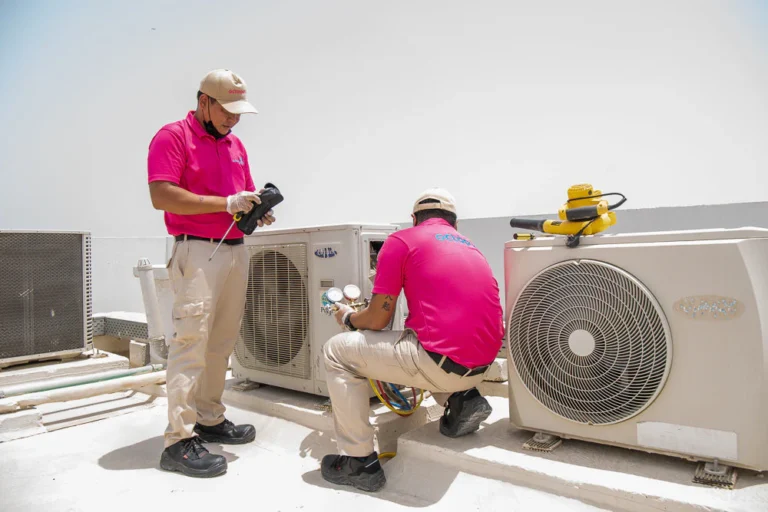
Professional AC maintenance is essential for ensuring your system operates efficiently and reliably. Regular servicing by experts can prevent breakdowns and extend the lifespan of your unit.
- Expert Care: Ensures thorough and effective maintenance.
- Longevity: Regular servicing extends the system’s lifespan.
Signs Your Air Conditioner Needs Professional Repair
Recognizing the signs that your air conditioner needs professional AC repair in Dubai can help prevent minor issues from turning into major problems. Unusual noises, reduced cooling, and frequent cycling are all common indicators.
- Warning Signs: Indicate potential issues requiring attention.
- Timely Repair: Prevents further damage and costly repairs.
What’s Included in a Professional AC Tune-Up
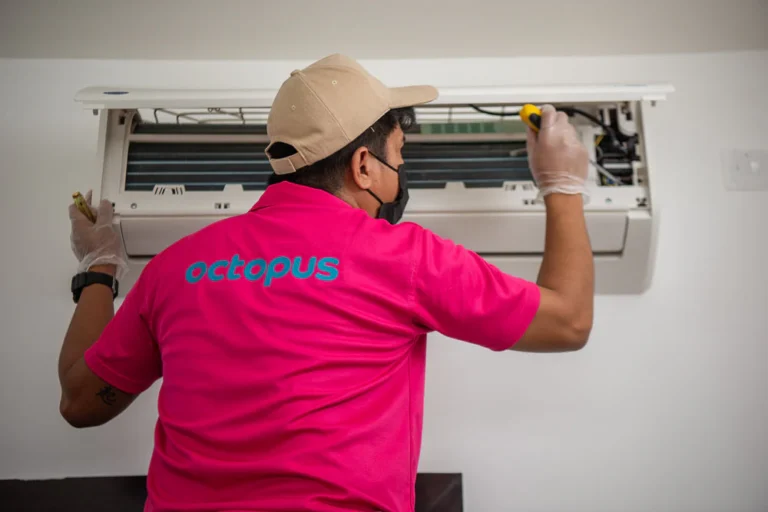
A professional AC tune-up includes a comprehensive inspection and servicing of your system. This process ensures all components are functioning correctly and efficiently.
- Comprehensive Check: Covers all essential components.
- Efficiency Boost: Enhances system performance and reliability.
Why Homeowners in Dubai Trust Octopus for AC Maintenance and Repair
Homeowners in Dubai trust Octopus for their AC maintenance and repair needs due to their expertise and reliable service. Octopus provides comprehensive solutions to ensure your AC system operates efficiently.
- Trusted Service: Known for quality and reliability.
- Comprehensive Solutions: Address all AC maintenance and repair needs.
DIY AC Troubleshooting Tips
Safety Precautions Before Troubleshooting Your AC
Before attempting any DIY troubleshooting, it’s essential to take safety precautions. Ensure the power is off and use appropriate tools to avoid electrical hazards.
- Safety First: Always prioritize safety when troubleshooting.
- Power Off: Ensure the AC is disconnected from the power source.
Check the Thermostat Settings First
One of the simplest troubleshooting steps is to check the thermostat settings. Ensure it’s set to the correct mode and temperature for cooling.
- Simple Check: Verify thermostat settings before other steps.
- Correct Mode: Ensure the thermostat is set to “cool.”
Inspect and Clean Dirty Air Filters
Dirty air filters can cause various AC issues, including reduced airflow and efficiency. Regularly inspecting and cleaning filters can prevent these problems.
- Regular Inspection: Check filters monthly for dirt and debris.
- Cleaning Schedule: Clean filters every 1-3 months.
Ensure Power Supply and Breaker Are Working Properly
Check the power supply and breaker to ensure they are functioning correctly. A tripped breaker or power issue can prevent the AC from operating.
- Power Check: Verify the AC is receiving power.
- Breaker Status: Ensure the breaker is not tripped.
Clean the Condenser and Evaporator Coils
Cleaning the condenser and evaporator coils can improve your AC’s efficiency and prevent overheating. Regular maintenance of these components is essential.
- Regular Cleaning: Prevents dirt buildup and overheating.
- Efficiency Boost: Clean coils enhance system performance.
Check for Ice Buildup or Frozen Coils
Ice buildup or frozen coils can indicate airflow or refrigerant issues. Addressing these problems promptly can prevent further damage.
- Ice Indicators: Look for ice on coils or refrigerant lines.
When to Stop Troubleshooting and Call a Professional
If your DIY fixes haven’t restored your AC, it’s time to stop tinkering and call a qualified AC technician. Persistent problems like frequent breaker trips, burning smells, loud humming, or warm air despite the system running often signal deeper electrical, AC thermostat, or compressor issues that require expert tools and training.
Continuing to troubleshoot beyond this point can worsen the damage or void the warranty. A professional can safely test refrigerant levels, check compressor amperage, and identify hidden faults. Calling early not only protects your system but also saves you from higher repair costs later.
Final Thoughts
Understanding the reasons your AC keeps tripping the breaker and implementing the right solutions can ensure your system operates efficiently and reliably. Whether it’s regular maintenance, professional repair, or energy-efficient upgrades, taking proactive steps can enhance your AC’s performance and longevity. In Dubai’s extreme climate, a well-functioning air conditioning system is essential for comfort and safety. By addressing common issues and investing in energy-efficient solutions, you can enjoy a cool and comfortable home all year round.