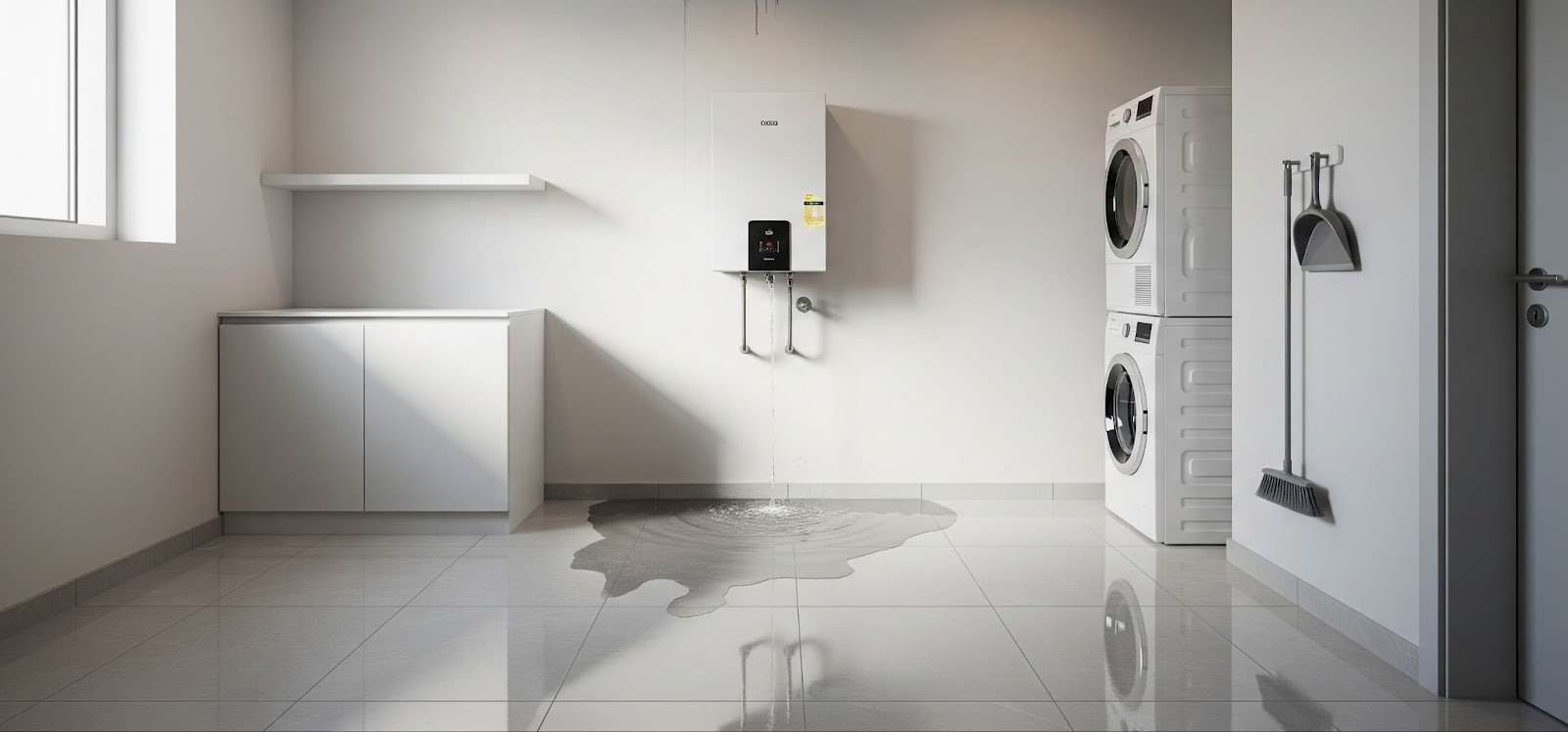
Noticed your water heater leaking during Dubai’s peak heat? It might seem strange, after all, you’re barely using hot water this season. But high outdoor temperatures can actually put extra pressure on your water heater, causing expansion, seal damage, or valve issues that lead to leaks.
Ignoring it can result in water waste, higher bills, or even serious damage over time. In this article, we’ll explain why water heaters leak more often during extreme heat, what warning signs to look out for, and simple steps you can take to fix or prevent the issue before it turns into a costly water heater repair in Dubai.
Water Heater Leaks During Peak Heat: Understanding the Problem
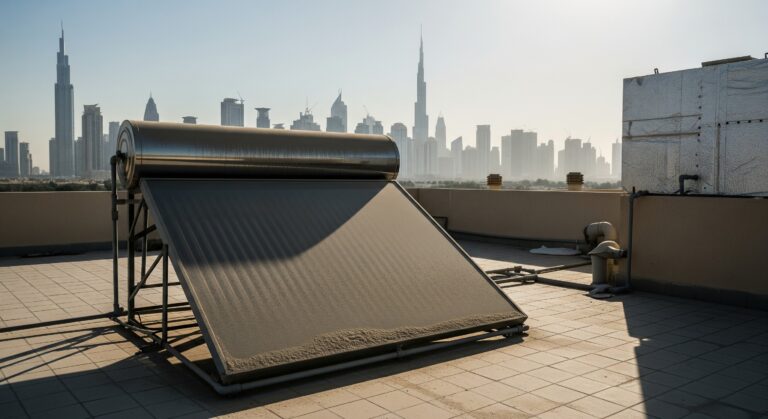
Water heater leaks during peak heat can be a significant issue, especially in hot climates like Dubai. These leaks not only waste water but can also lead to increased energy costs and potential damage to your home. Understanding the causes and signs of water heater leaks is crucial for maintaining an efficient and reliable hot water supply.
Common Causes of Water Heater Leaks
Water heater leaks can occur due to various reasons, particularly during periods of extreme heat. Some common causes include:

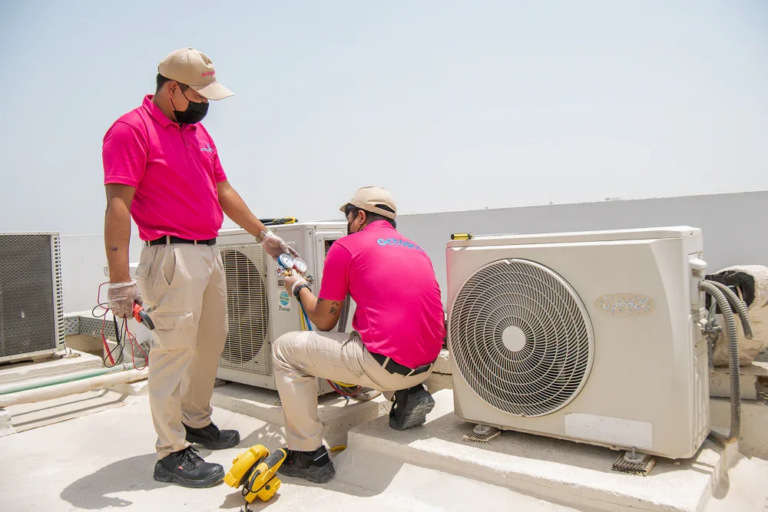
Fast & Reliable AC Service at Your Doorstep
Whether it’s a routine checkup or an urgent repair, our AC service ensures that your system is always working at peak performance. Let us handle the technical stuff while you stay cool.
- Expansion and contraction of metal components
- Corrosion of tank lining or pipes
- Loose connections or fittings
- Faulty temperature and pressure relief valves
- Sediment buildup in the tank
To prevent these issues, regular maintenance and inspections are essential. The Octopus recommends scheduling annual check-ups with a professional plumber to identify and address potential problems before they escalate.
Signs of a Leaking Water Heater
Detecting water heater leaks early can save you from costly repairs and water damage. Look out for these telltale signs:
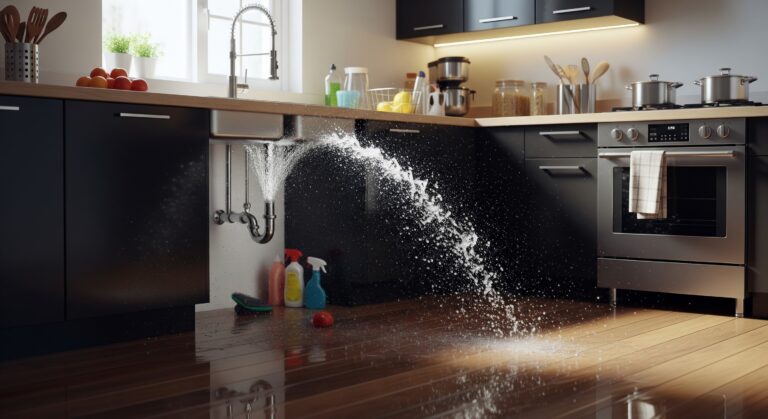
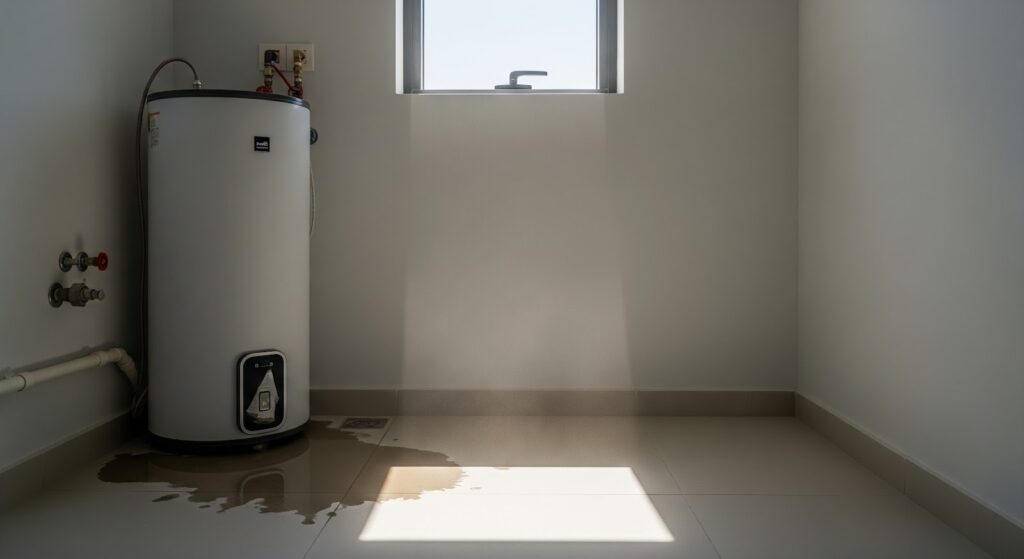
- Puddles or moisture around the base of the water heater
- Rust or corrosion on the tank or pipes
- Inconsistent water temperature
- Reduced hot water pressure
- Unusual noises coming from the water heater
If you notice any of these signs, it’s crucial to take immediate action to prevent further damage and ensure your safety.
Impact on Energy Efficiency and Costs
Water heater leaks can significantly impact your energy efficiency and utility bills. Here’s how:
- Increased energy consumption to heat water that’s being lost
- Reduced the overall efficiency of the water heater
- Higher water bills due to continuous leakage
- Potential damage to surrounding areas, leading to additional repair costs
To minimize these impacts, consider investing in energy-efficient water heaters and implementing regular maintenance routines.
| Impact | Consequence |
| Energy Consumption | Increased electricity usage |
| Water Usage | Higher water bills |
| Efficiency | Reduced overall performance |
| Property Damage | Potential repair costs for the surrounding areas |
Preventing Water Heater Failures in Hot Weather
Taking proactive measures to prevent water heater failures during peak heat is essential for maintaining a reliable hot water supply and avoiding unexpected breakdowns.
Regular Maintenance Tips
Implementing a regular maintenance routine can significantly extend the life of your water heater and prevent leaks. Consider these tips:
- Flush the tank annually to remove sediment buildup
- Check and replace the anode rod every 3-5 years
- Inspect valves and connections for signs of wear or corrosion
- Test the pressure relief valve regularly
- Monitor water quality and use a water softener if necessary
By following these maintenance tips, you can keep your water heater in optimal condition and reduce the risk of leaks during peak heat periods.
Importance of Proper Insulation
Proper insulation is crucial for maintaining water temperature and preventing heat loss, especially during hot weather. Consider the following:
- Insulate hot water pipes to minimize heat loss
- Add an insulation blanket to the water heater tank
- Ensure the insulation is rated for high-temperature environments
- Check and replace insulation regularly to maintain effectiveness
Proper insulation not only helps prevent leaks but also improves energy efficiency and reduces operating costs.
Optimal Temperature Settings
Setting the right temperature for your water heater can help prevent leaks and improve efficiency. Follow these guidelines:
- Set the temperature between 120°F and 140°F (49°C to 60°C)
- Lower temperatures reduce the risk of scalding and energy consumption
- Higher temperatures may be necessary for certain appliances or sanitization purposes
- Consider installing a thermostatic mixing valve for precise temperature control
Adjusting your water heater’s temperature settings can help balance safety, efficiency, and performance during peak heat periods.
Emergency Measures for Water Heater Leaks During Peak Heat
When faced with a water heater leak during peak heat, it’s essential to take immediate action to minimize damage and ensure safety.
Temporary Fixes and Safety Precautions
In case of a minor leak, you can attempt these temporary fixes:
- Tighten loose connections or fittings
- Apply epoxy putty to small cracks or holes
- Use a pipe clamp for leaking pipes
- Adjust the pressure relief valve if it’s the source of the leak
Always prioritize safety when dealing with water heater leaks:
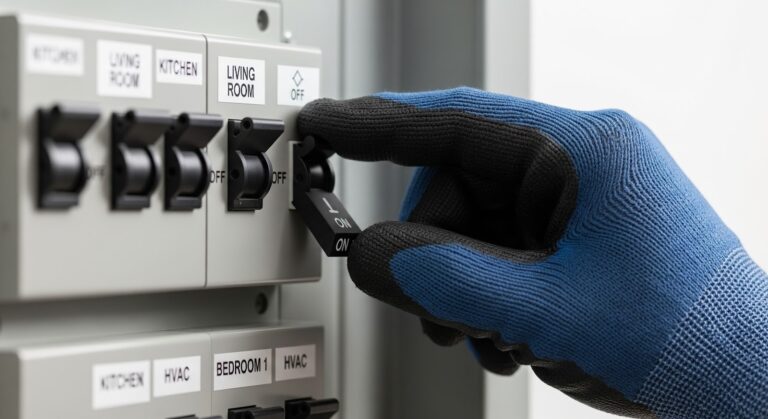
- Turn off the power supply to the water heater
- Shut off the cold water supply to prevent further water flow
- Drain the tank if necessary to reduce pressure and minimize leakage
- Use caution when working with hot water or steam
These temporary measures can help contain the leak until professional help arrives.
When to Call a Professional
While some minor leaks can be addressed with DIY solutions, certain situations require professional intervention:
- Large or persistent leaks
- Leaks from the tank itself
- Electrical issues
- Complex valve or connection problems
- Signs of significant corrosion or damage
Don’t hesitate to call a licensed plumber or water heater specialist if you’re unsure about the severity of the leak or lack the necessary skills to address it safely.
Why Choosing the Right Water Heater in Dubai Matters
Picking the right water heater in Dubai is more important than most people realize. With hard water, high temperatures, and year-round demand for hot water, the system you choose affects your comfort, energy bills, and long-term maintenance costs. The right heater ensures consistent performance, faster heating, and fewer breakdowns.
Final Thoughts
Extreme heat increases pressure inside the tank, causing expansion, valve failure, or even corrosion that can lead to bigger problems if ignored. By scheduling regular maintenance, checking valves and insulation, and keeping the temperature settings balanced, you can prevent leaks, save on water and energy bills, and extend your heater’s lifespan.
If the leak persists or worsens, don’t delay calling a professional. A quick inspection now can prevent costly repairs later and ensure your water heater stays efficient, safe, and ready all year round.
FAQs
How do I stop my water heater from leaking in hot weather?
To prevent water heater leaks during hot weather, start by ensuring proper insulation of both the tank and pipes. Regularly inspect and maintain your water heater, including flushing the tank to remove sediment buildup. Consider installing an expansion tank to accommodate increased water pressure during high temperatures. If you notice any signs of leaks, address them promptly to prevent further damage.
Can extreme heat cause a water heater to leak?
Yes, extreme heat can contribute to water heater leaks. High temperatures can cause expansion and contraction of metal components, potentially leading to cracks or loose connections. Additionally, increased water pressure due to thermal expansion can strain the tank and fittings. Regular maintenance and proper insulation can help mitigate these issues and reduce the risk of leaks during peak heat periods.
What are the first signs of water heater failure?
Early signs of water heater failure include inconsistent water temperature, strange noises coming from the tank, rusty or discolored water, and visible leaks or moisture around the unit. You may also notice a decrease in hot water pressure or an increase in your energy bills. If you observe any of these signs, it’s crucial to have your water heater inspected by a professional to prevent complete failure and potential water damage.
How long do water heaters last in hot climates?
Water heaters in hot climates typically last between 8 to 12 years, depending on various factors such as water quality, maintenance, and usage patterns. The lifespan can be shorter due to increased stress from high temperatures and potential mineral buildup. Regular maintenance, including annual flushing and anode rod replacement, can help extend the life of your water heater. Consider upgrading to a more efficient model designed for hot climates to improve longevity and performance.