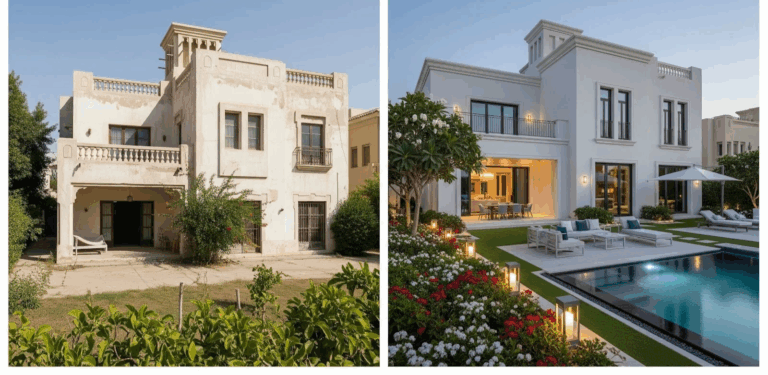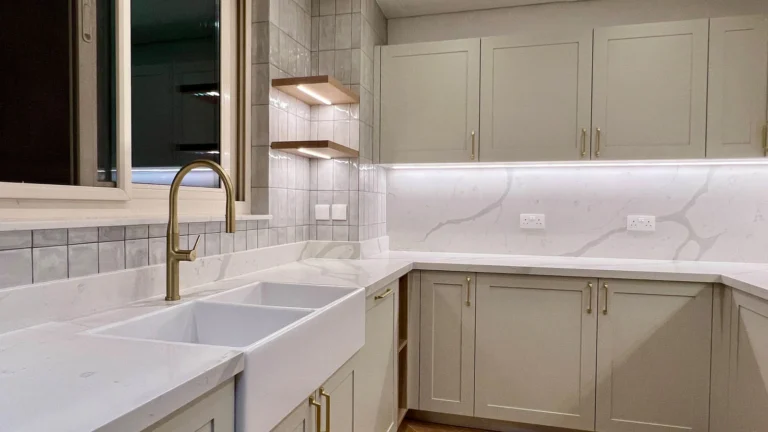
Renovation costs can escalate quickly, even with careful planning. Many homeowners begin a renovation with a clear budget, only to discover that certain elements cost far more than expected. Understanding where most of the money actually goes is essential before committing to any renovation project.
While every renovation is different, cost patterns are remarkably consistent across residential projects. Some upgrades are cosmetic and affordable. Others involve structural, mechanical, or labor-intensive work that drives costs sharply upward.
This article explains what the most expensive part of renovation usually is, why it costs so much, and how homeowners can plan smarter to avoid budget surprises.
The Most Expensive Part of Renovation
The most expensive part of renovation is typically kitchen remodeling, followed closely by bathroom renovations and structural or mechanical upgrades such as plumbing, electrical, and HVAC systems.

Transform Your Space with Expert Renovation
Ready for a change? Our renovation services will breathe new life into your space with custom solutions that meet your style and needs, all within your budget.
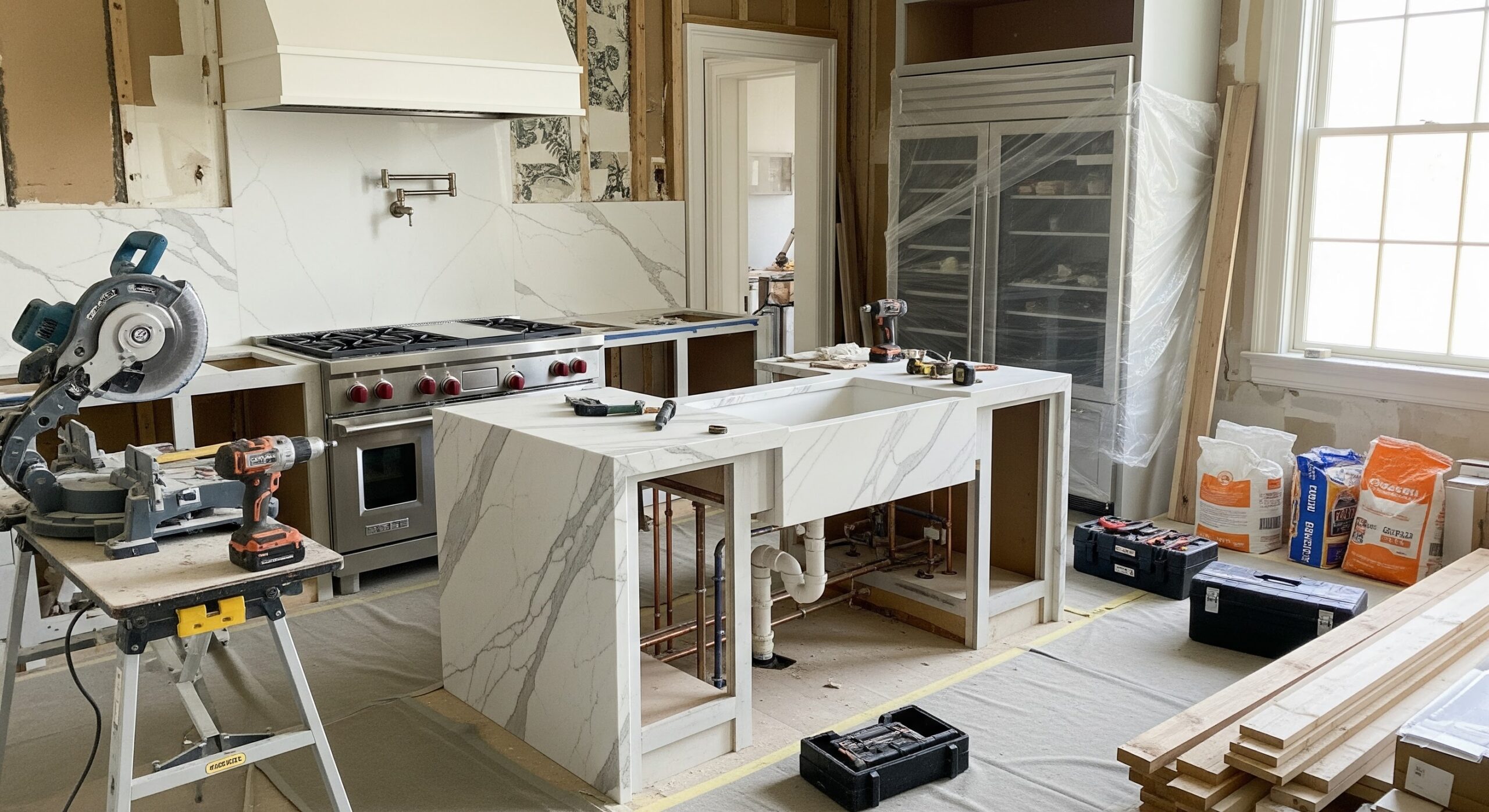
Kitchens often account for the highest renovation costs because they combine cabinetry, appliances, plumbing, electrical work, finishes, and labor into one space. Bathrooms are similarly expensive due to waterproofing, fixtures, and specialized labor. Structural and system upgrades can exceed both when major changes are required.
The final cost depends on scope, materials, and whether structural or mechanical changes are involved.
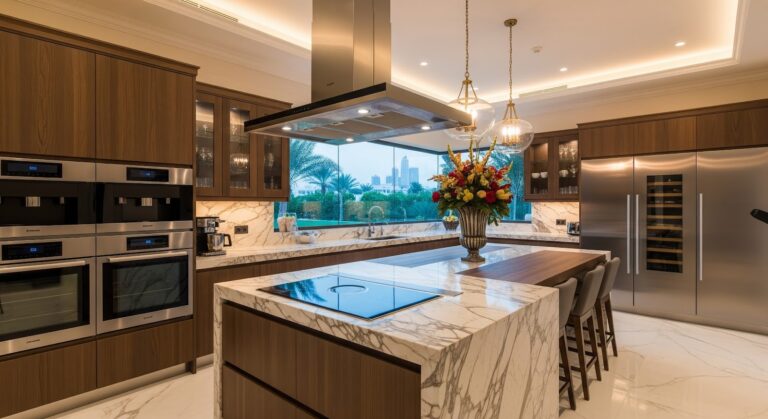
Why Kitchens Are Usually the Most Expensive to Renovate
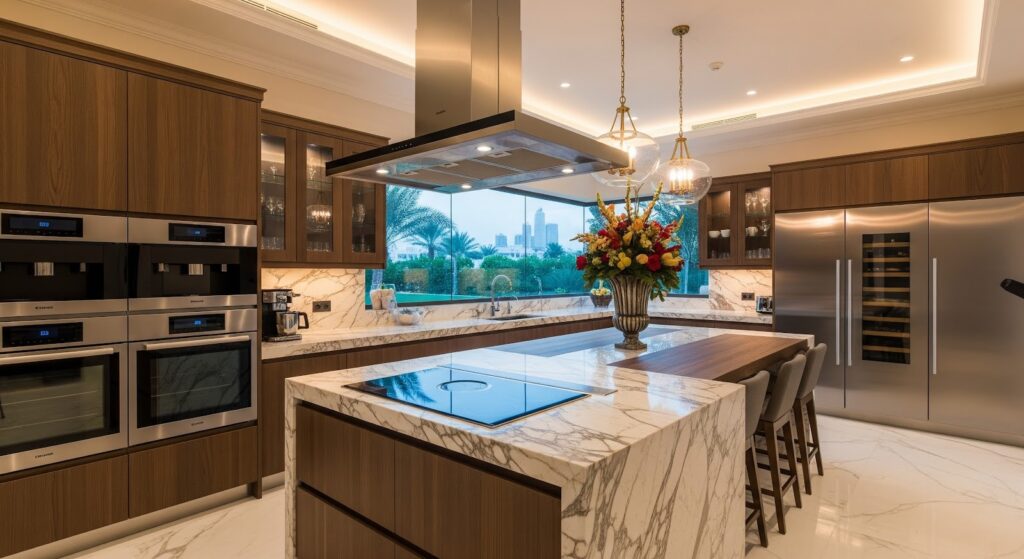
Kitchen renovations consistently top renovation budgets.
A kitchen combines multiple high-cost components in one area. Even modest upgrades require coordination across several trades.
Major Cost Drivers in Kitchen Renovations
- Custom or semi-custom cabinetry
- Countertops such as quartz, granite, or stone
- Built-in appliances
- Plumbing relocation
- Electrical upgrades and lighting
- Flooring and wall finishes
- Labor and project management
Cabinetry alone can consume a significant portion of the total budget. When combined with appliances and skilled labor, kitchen renovation costs rise faster than most other renovation areas.
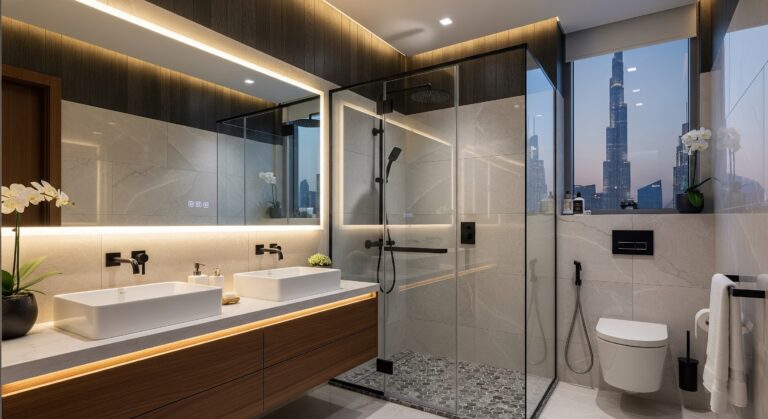
Bathroom Renovations and Why They Are So Costly
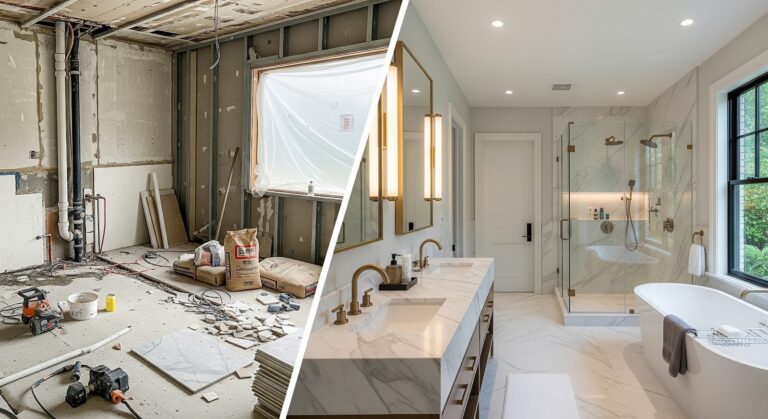
Bathrooms are smaller than kitchens, but they are often more complex.
Waterproofing, drainage, and ventilation requirements make bathroom renovations labor-intensive. Errors can lead to serious damage, so skilled professionals are essential.
Common bathroom renovation cost factors are:
- Waterproof membranes
- Plumbing relocation
- Tiling and finishes
- Fixtures and fittings
- Shower systems and enclosures
- Ventilation upgrades
High-end finishes and custom showers can push bathroom costs close to kitchen renovation levels.
Structural Changes Can Exceed All Other Costs
Structural renovations can quickly become the most expensive part of a project.
These changes are not cosmetic. They involve the building’s integrity and safety.
Examples of Structural Renovation Costs
- Removing or adding load-bearing walls
- Reinforcing floors or foundations
- Adding extensions or additional rooms
- Changing ceiling heights
- Modifying roof structures
Structural work requires engineering approval, permits, and specialized labor, all of which significantly increase costs.
Plumbing, Electrical, and HVAC Upgrades
Mechanical systems are often hidden but extremely costly to modify.
When homes are renovated, existing systems may no longer meet modern demands or code requirements.
Why System Upgrades Cost So Much
- Skilled labor
- Compliance with current building codes
- Wall and floor demolition
- Material and equipment costs
- Testing and inspection requirements
Whole-home rewiring or plumbing replacement can rival kitchen renovation costs, especially in older properties.
Flooring Costs in Large Renovations
Flooring can become one of the most expensive elements when covering large areas. The material itself is only part of the cost. Subfloor preparation and labor play a major role.
High-Cost Flooring Factors
- Premium materials
- Extensive surface preparation
- Leveling or reinforcement
- Moisture mitigation
- Installation labor
Open-plan homes magnify flooring costs because every square meter matters.
Custom Work and Bespoke Finishes
Customization dramatically increases renovation expenses.
Custom cabinetry, built-in furniture, specialty finishes, and tailored layouts require more time and skilled craftsmanship.
Examples of Costly Custom Features
- Custom millwork
- Bespoke storage solutions
- Designer lighting systems
- Architectural details
- Specialty wall and ceiling treatments
Customization adds uniqueness, but it comes at a premium.
Hidden Costs Homeowners Often Overlook
Some of the most expensive renovation elements are not obvious at the start.
Common Hidden Expenses
- Permits and approvals
- Structural reinforcements discovered mid-project
- Outdated wiring or plumbing
- Asbestos or mold remediation
- Temporary relocation costs
These unexpected issues can significantly alter renovation budgets.
Renovation Cost Comparison by Area
| Renovation Area | Typical Cost Impact | Reason |
| Kitchen | Very High | Multiple trades, cabinetry, appliances |
| Bathroom | High | Waterproofing, plumbing, tiling |
| Structural Changes | Very High | Engineering, permits, labor |
| Plumbing and Electrical | High | Skilled labor, code compliance |
| Flooring | Medium to High | Material and prep costs |
| Painting and Finishes | Low to Medium | Mostly labor and materials |
Understanding this hierarchy helps prioritize spending.
How to Control the Most Expensive Renovation Costs?
Costs rise fastest when decisions are made late or without planning.
Smart Cost Control Strategies
- Finalize layouts before construction
- Avoid unnecessary plumbing relocation
- Choose durable mid-range materials
- Phase renovations instead of doing everything at once
- Invest in preparation rather than cosmetic upgrades
Strategic planning can reduce overspending without sacrificing quality.
Is Spending More Always Worth It
Not always.
Some expensive upgrades improve resale value and functionality. Others only reflect personal preference.
Kitchens and bathrooms often provide the best return on investment. Structural and system upgrades improve safety and longevity but may not be visible.
Balancing value and lifestyle goals is key.
Conclusion
The most expensive part of renovation is usually the kitchen, followed by bathrooms and major structural or mechanical upgrades. These areas combine high material costs, skilled labor, and complex coordination, making them the biggest budget drivers in most projects.
Understanding where renovation money is truly spent allows homeowners to plan better, prioritize wisely, and avoid costly surprises. With proper planning and informed decisions, even the most expensive renovation elements can deliver long-term value rather than regret.
FAQs
Why are kitchens the most expensive to renovate?
They combine cabinetry, appliances, plumbing, electrical work, and labor in one space.
Are bathrooms more expensive than kitchens?
Usually no, but luxury bathrooms can approach kitchen renovation costs.
What renovation adds the most value?
Kitchen and bathroom renovations typically offer the highest return on investment.
Do structural changes always cost more?
Yes. Structural work involves engineering, permits, and specialized labor.
How can I reduce renovation costs?
Plan early, avoid layout changes mid-project, and prioritize essential upgrades.