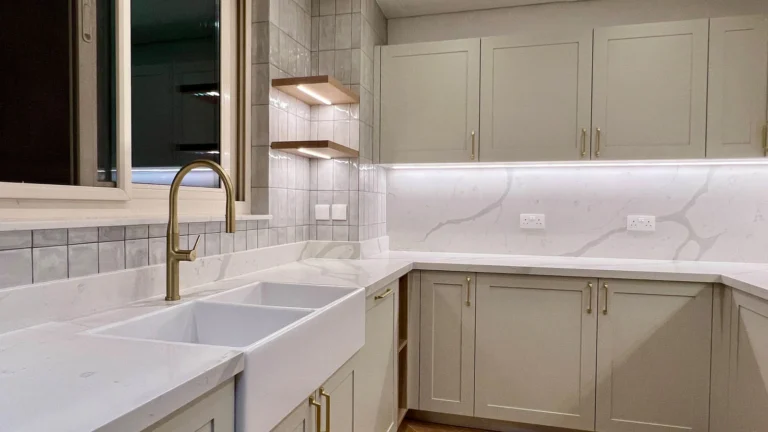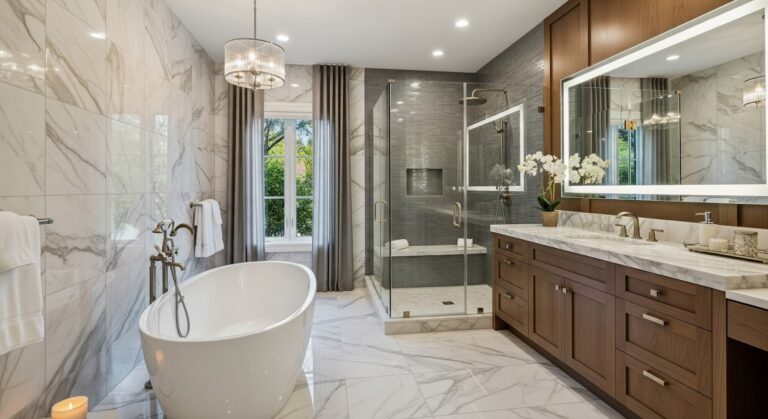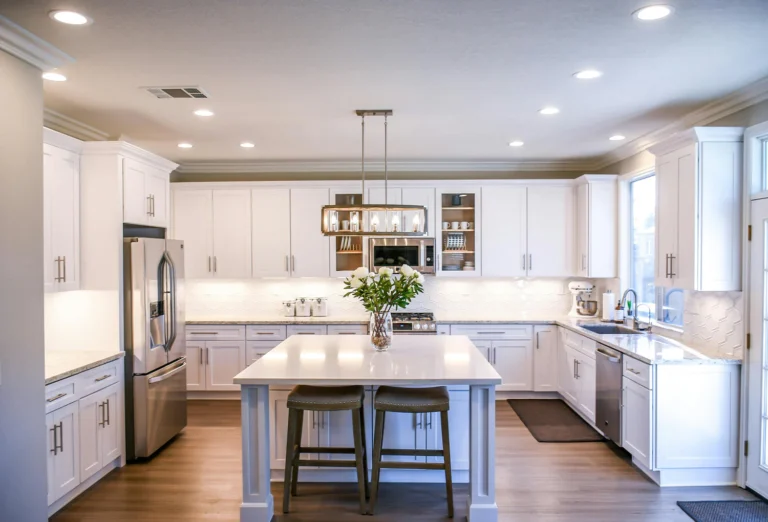
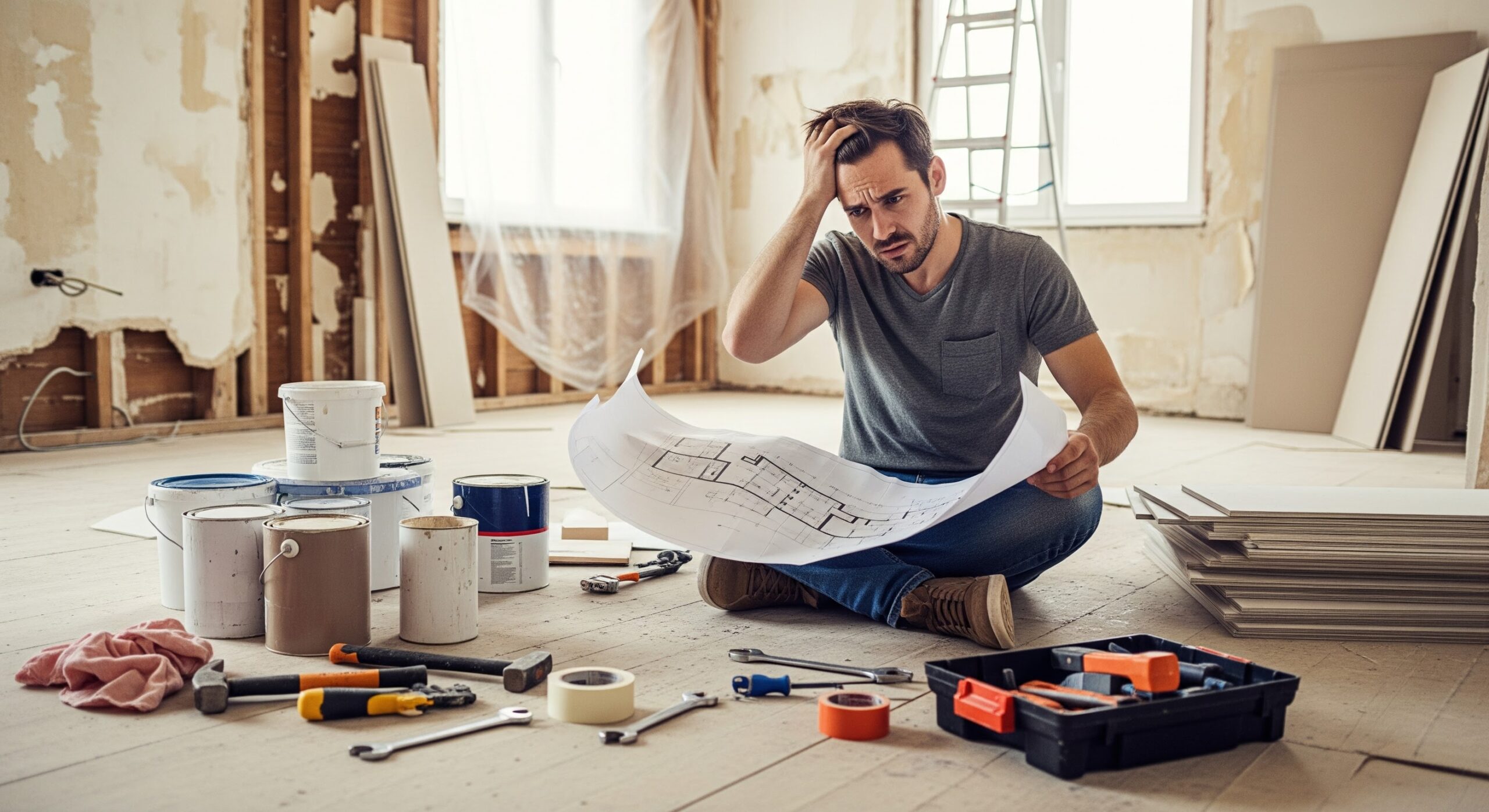
Renovating a home can be an exciting yet daunting task, especially in a vibrant city like Dubai, where lifestyles are fast-paced and expectations are high. However, without careful planning and execution, renovation in Dubai can quickly turn into a series of regrets. This article explores the seven biggest renovation regrets homeowners often encounter and offers practical tips on how to avoid them.
Biggest Renovation Regrets and How to Avoid
Home renovations can completely transform your space, but without careful planning, they can also turn into expensive mistakes you wish you’d known about earlier. These are the seven most common renovation regrets homeowners face, along with practical ways to avoid them so your project stays beautiful, functional, and within budget.
1. Choosing Looks Over Functionality
Many homeowners fall in love with Pinterest boards and trendy designs, only to realize later that the space doesn’t work for daily living.
Common regret:
Beautiful layouts with poor storage, difficult-to-clean materials, or impractical fixtures.
How to avoid it:
- Prioritize how you use the space before choosing finishes.
- Test workflows, especially in kitchens and bathrooms.
- Opt for materials that are both stylish and durable.
2. Underestimating the Total Budget
Renovations almost always cost more than expected due to hidden issues, labor adjustments, or material upgrades.
Common regret:
Running out of budget halfway or compromising on finishes you actually wanted.
How to avoid it:
- Add a 15–25% contingency to every renovation budget.
- Get multiple quotes from reputable contractors.
- Clarify what is included and not included in your estimates.
3. Hiring the Cheapest Contractor
Choosing a contractor based solely on price often leads to poor workmanship, delays, and costly rework.
Common regret:
Paying twice, once for the wrong contractor and again to fix the mistakes.
How to avoid it:
- Check portfolios, references, and certifications.
- Look for contractors with experience in your specific project type.
- Request clear timelines and written warranties before signing.
4. Ignoring Long-Term Maintenance
Some materials look great when installed but require heavy upkeep later, something homeowners often don’t consider.
Common regret:
Choosing high-maintenance flooring, countertops, or paint that easily stains, scratches, or wears out.
How to avoid it:
- Ask about maintenance requirements before selecting materials.
- Choose finishes that fit your lifestyle, not just your aesthetic preference.
- Consider performance features such as stain resistance, durability, and water resistance.
5. Not Thinking About Future Resale Value
Renovations that suit your personal taste may not appeal to future buyers, especially bold design choices that limit market interest.
Common regret:
Overspending on custom elements that don’t improve resale value.
How to avoid it:
- Choose timeless designs for major surfaces (flooring, cabinets, countertops).
- Save bold choices for easily changeable items like décor and paint.
- Research what upgrades add the best ROI in your area.
6. Poor Space Planning and Measurements
A renovation can look perfect on paper but fail in reality if appliance clearances, door swings, or cabinet spacing are miscalculated.
Common regret:
Cabinets that don’t open fully, appliances that don’t fit, or layouts that feel cramped.
How to avoid it:
- Double-check every measurement twice.
- Work with designers who specialize in space planning.
- Use 3D renderings or layouts before finalizing construction.
7. Not Getting the Right Permits
Skipping permits to save time or money often backfires when selling your home or dealing with insurance claims.
Common regret:
Having to redo work, pay penalties, or delay property sales due to unpermitted renovations.
How to avoid it:
- Confirm which parts of your renovation require permits (electrical, plumbing, structural).
- Only hire contractors who follow local building codes.
- Keep all documentation for future inspections or real estate transactions.
The Role of a Professional Contractor in Avoiding Renovation Regrets
A skilled contractor can be the difference between a smooth renovation and a stressful, costly disaster. Most renovation regrets come from poor planning, unexpected issues, or shortcuts, all of which a qualified contractor helps prevent.

How a professional contractor reduces risk:
- Accurate budgeting and timelines: Prevents overspending and unnecessary delays.
- Quality workmanship: Ensures the renovation is built to last, not just to look good.
- Code compliance: Proper permits and adherence to building regulations reduce legal and resale issues.
- Material guidance: Contractors recommend durable, cost-effective materials suited for your lifestyle.
- Problem-solving: Unexpected issues behind walls or floors are handled efficiently and safely.
When homeowners choose the cheapest or least experienced contractor, they often face rework, hidden damage, or design flaws that could have been avoided. A reliable contractor protects both your investment and your peace of mind.
The Psychological Impact of Renovation Regrets
Renovation regret is more than financial, it often affects a homeowner’s emotional well-being. After investing time, energy, and money, discovering mistakes can be deeply frustrating.
Common emotional effects include:
- Stress and disappointment: When expectations don’t match the outcome.
- Decision fatigue: Too many choices and rushed selections lead to second-guessing.
- Attachment to sunk costs: Homeowners feel stuck with the results because they’ve already spent money.
- Renovation anxiety: Fear of making the same mistakes prevents future improvements.
- Home dissatisfaction: A poorly designed space impacts daily comfort and overall mood.
Recognizing the emotional side of renovations helps homeowners slow down, plan better, and prioritize expert guidance. It also reinforces the value of thoughtful design, proper budgeting, and professional execution.
The Impact of Renovation Regrets on Home Value
Renovation mistakes don’t just inconvenience homeowners, they can negatively affect property value. Poor material choices, bad layouts, and unfinished work can make a home harder to sell and reduce ROI.
Ways renovation regrets impact resale value:
- Lower buyer interest: Unappealing layouts, DIY errors, or outdated finishes turn buyers away.
- Reduced appraisal value: Poor craftsmanship and non-permitted work can lower assessments.
- Higher repair costs for buyers: Buyers factor in the cost of fixing your mistakes.
- Limited market appeal: Niche or overly personalized designs may not suit future buyers.
High-risk renovation mistakes that often hurt value:
- Removing essential rooms (like reducing bedroom count)
- Poor-quality flooring or countertops
- Unpermitted structural, electrical, or plumbing changes
- Trend-heavy designs that age quickly
Renovation choices should balance personal style with long-term functionality and market appeal. The best upgrades boost both enjoyment and resale value.
Why Do Homeowners Experience Renovation Regret?
Renovation regret usually stems from unrealistic expectations, rushed decisions, or underestimating complexity. Understanding the causes can help homeowners avoid repeating these mistakes.
Top reasons homeowners feel regret:
- Underestimating cost: Hidden issues and material changes quickly exceed the budget.
- Not planning for maintenance: Choosing beautiful but high-maintenance finishes without understanding long-term care.
- Following trends blindly: Trendy designs may quickly become outdated or impractical.
- Cutting corners on labor: Hiring the cheapest contractor often leads to poor results.
- Lack of research: Not comparing materials, layouts, or long-term implications.
- Over-customization: Designs that reflect the homeowner’s niche taste but reduce resale appeal.
How to prevent it:
- Set realistic expectations
- Work with experienced designers or contractors
- Understand the maintenance demands of materials
- Base decisions on lifestyle, not trends
- Create a detailed budget with a contingency buffer
Final Thoughts
Home renovations can be exciting, but often lead to regrets if rushed or poorly planned. By balancing style with functionality, setting realistic budgets, and working with experienced contractors, you can avoid costly mistakes. Thoughtful planning ensures your space stays beautiful, practical, and adds lasting value to your home.
FAQ
How can I make sure my renovation adds value to my home?
Focus on upgrades that improve function and appeal to most buyers, like kitchens, bathrooms, and storage. Check local high-ROI projects and get advice from agents or contractors before committing.
How much does professional design help prevent renovation mistakes?
A lot. Professional design reduces layout errors, bad material choices, and rework by giving contractors a clear, well-thought-out plan.
What are the most common home renovation mistakes?
Unrealistic budgets, poor planning, and choosing materials for looks only, not durability or function. Skipping expert input is another big one.